

 See My Latest Article on HelloNation
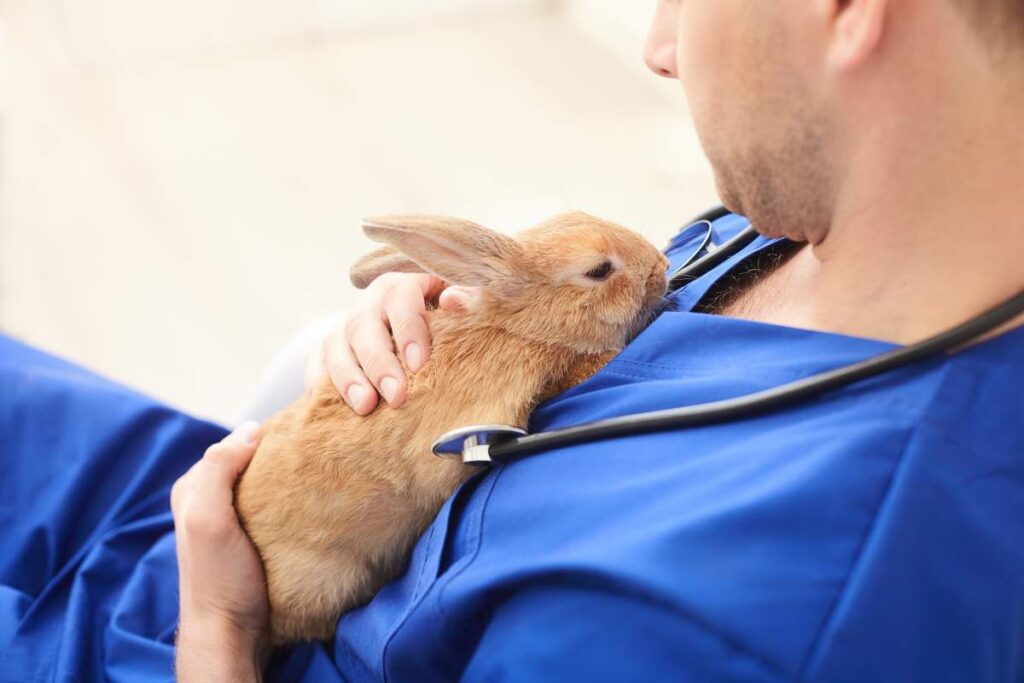
How Can You Tell If Your Dog Is Hurting?
Dogs in Covington, GA, may not always show pain in obvious ways, which can make it challenging for families to know when their companions need help. Dogs instinctively hide discomfort, so changes may be subtle and easy to overlook. Be alert for shifts in behavior, movement, or even posture, as these can be reliable signals.
What Behaviors Suggest a Dog Might Be in Pain?
Sudden changes in a dog's personality or habits are often the first signs. If a typically friendly or energetic dog becomes withdrawn, irritable, or quiet, this could indicate discomfort. For local residents used to active dogs in neighborhoods or yards, look for:
- Reduced interest in walks or playtime, even during mild Covington weather
- Restlessness, pacing, or trouble getting comfortable on familiar floors or furniture
- Avoiding touch or social interaction, sometimes even hiding
- Unexplained panting or whining, especially at night
- Growling or snapping when a specific spot is touched
Some dogs may also lose interest in eating, especially foods they usually enjoy. Pay close attention if these changes linger for more than a day or so.
Which Physical Signs Often Point to Pain?
Physical clues may help identify discomfort before problems become severe. Dogs may:
- Limp or favor one leg during walks on sidewalks or in backyards
- Struggle with stairs, car rides, or jumping up onto beds or couches
- Hold their bodies stiffly, move slowly, or seem hunched
- Shrink away from being lifted or picked up
Watch for signs around the mouth, such as drooling, difficulty chewing, or dropping food. Local outdoor dogs may develop sore paws, especially after walking on hot summer pavement.
Can Changes in Grooming Indicate Pain?
Yes, alterations in grooming or self-care behavior are common. Dogs sometimes lick, bite, or chew at a painful area excessively. This might cause:
- Fur loss, redness, or sores on frequently licked spots (like paws or flanks)
- Less overall self-grooming, leading to a messy or unkempt coat
In Covington's humid months, wounds or hot spots can worsen quickly, so persistent licking deserves extra attention.
Are Bathroom Habits a Clue to Discomfort?
Changes in urination or defecation habits may occur if a dog is uncomfortable. Examples include:
- Accidents indoors, even for usually well-trained pets
- Straining to urinate or defecate, or yelping while trying
- Reluctance to go outside, especially in cold or wet weather
- Unusual postures while toileting, such as squatting for longer than normal
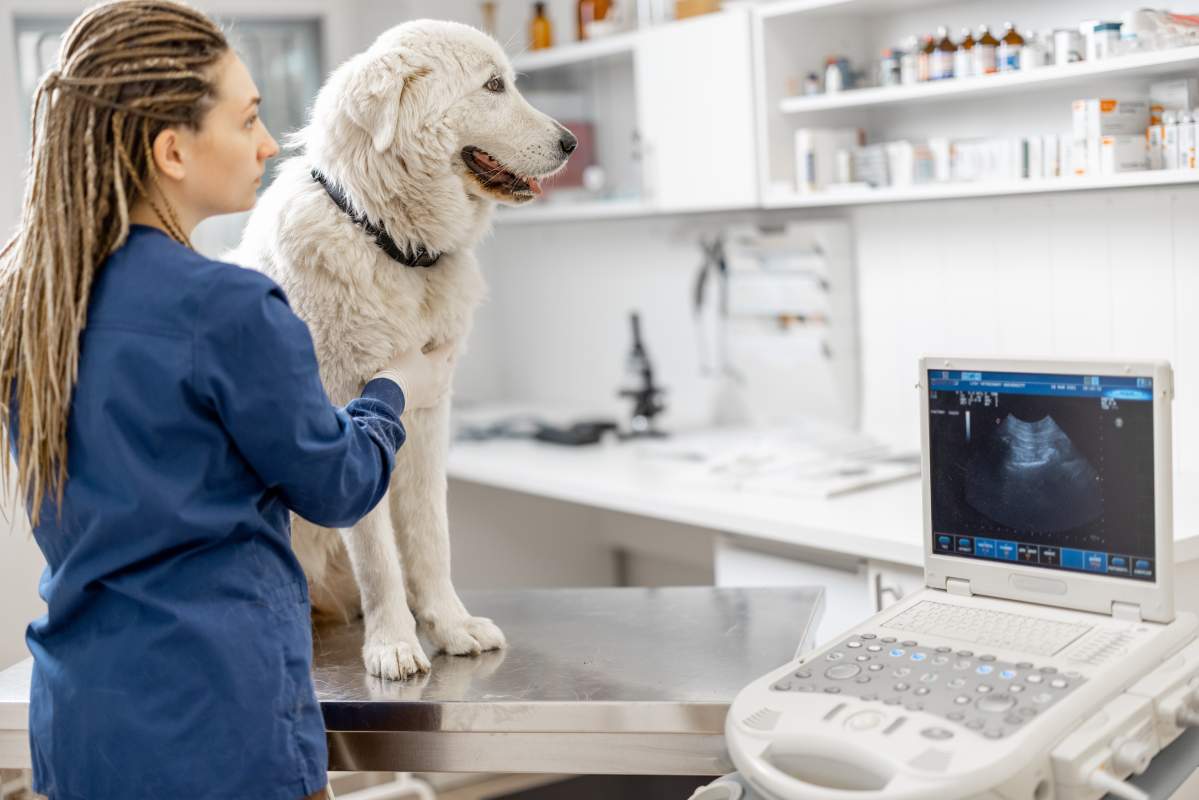
Older dogs in the community might develop arthritis or other joint issues, making bathroom outings especially challenging. Nearby wooded areas or uneven terrains may exacerbate these problems.
What Misconceptions Do Pet Owners Often Have About Dog Pain?
Many families believe that whining or obvious yelps are always present if a dog is in pain, but many dogs will not vocalize at all. Dogs may also continue to wag their tails or greet family members despite feeling discomfort, especially if they're eager to please or excited by routine activities like mealtime.
Ignoring mild or short-lived symptoms can unintentionally prolong suffering. Local households should not assume a pet will "walk it off"—especially in cases of limping, swelling, or wounds.
When Could Environmental Factors Contribute to Pain?
Environmental aspects around Covington can sometimes play a role. Seasonal allergies, ticks, and hot pavement in summer or slippery ice patches in winter might lead to aches, stings, or chronic soreness. Frequently walking on concrete or uneven terrain can bother aging joints.
Monitor for discomfort after hikes in wooded parks or during shifts between climate-controlled homes and humid outdoors. Changes in housing, such as moving or renovations, may also stress dogs, sometimes masking signs of pain.
What Should Local Families Do If They Suspect Pain?
If patterns emerging in your household suggest pain, make note of details like:
- When symptoms appear and which activities trigger them
- Any specific noises, behaviors, or postures
- Recent injuries, exposure to toxins, or changes in environment
A clear record of observations provides the most helpful information when seeking evaluation. For emergencies—such as sudden loss of movement, severe bleeding, or collapse—it is appropriate to seek immediate expert assessment.