

 See My Latest Article on HelloNation
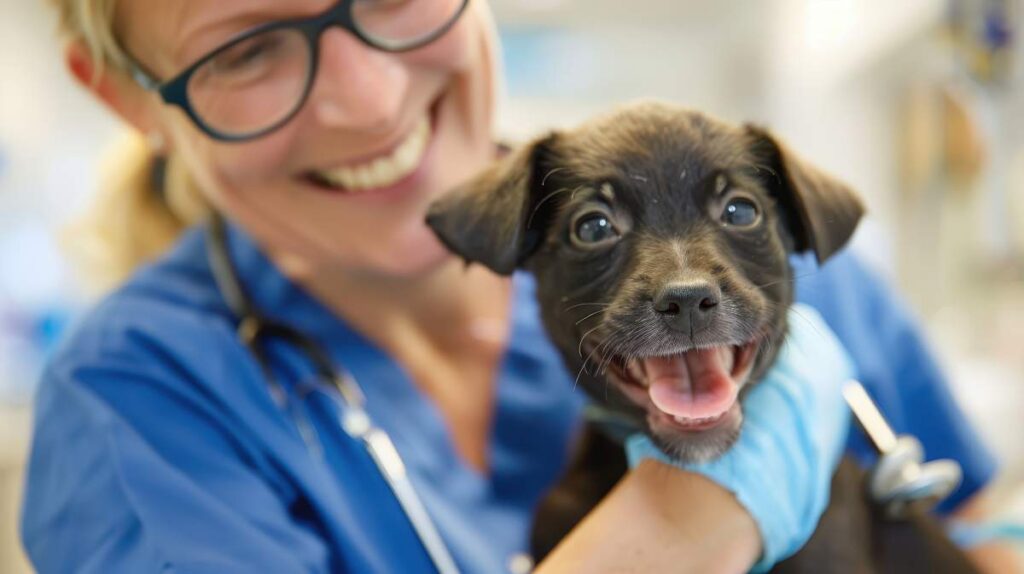
What should a pet first aid kit do?
A pet first aid kit should help you provide short-term care while arranging veterinary guidance or transportation. It is not intended to diagnose illness, replace treatment, or manage a serious injury at home. The American Veterinary Medical Association emphasizes that first aid is temporary support until a pet can receive veterinary care. ([ebusiness.avma.org](https://ebusiness.avma.org/files/productdownloads/mcm-client-brochures-pet-first-aid-2023.pdf?utm_source=openai))
For households in Covington, GA, keep one kit inside the home and consider a smaller travel version for walks, road trips, outdoor activities, or evacuation. Warm weather, storms, standing water, escaped pets, insect encounters, and broken glass or debris can all create situations in which basic supplies are useful.
Which supplies belong in a basic kit?
Store supplies in a clean, waterproof container that is easy for adults in the household to find. Label the container clearly and keep it away from children and pets.
A practical kit may include:
- Disposable gloves
- Clean towels and washcloths
- Sterile gauze pads and rolled gauze
- Nonstick wound dressings
- Self-adhering bandage wrap
- Medical or adhesive tape
- Blunt-end scissors
- Tweezers
- Sterile saline solution for rinsing wounds or eyes
- A sterile, water-based lubricant
- A digital thermometer
- A small flashlight
- An eye dropper or large syringe without a needle
- A spare leash and collar
- A soft muzzle or muzzle designed for the pet
- A small blanket for warmth, padding, or transport
These items are consistent with veterinary first aid checklists from the AVMA and VCA. A muzzle should never be used on a pet that is vomiting, having difficulty breathing, or unable to breathe normally. Even calm animals may bite when they are frightened or in pain. ([vcahospitals.com](https://vcahospitals.com/-/media/2/files/ecom/vca-emergency-pet-care-guide2?utm_source=openai))
What information should be kept with the supplies?
The information section can be just as valuable as the bandages. Place a waterproof card or printed sheet inside the container with:
- The pet’s name, species, age, weight, and identifying features
- Current medications, supplements, and known allergies
- Important medical conditions
- Vaccination and preventive-care records
- The regular veterinary office telephone number
- The nearest after-hours veterinary hospital telephone number
- A pet poison control telephone number
- The name and contact information of a trusted caregiver
- A current photograph of each pet
Keep digital copies of these records on a phone or secure online account, but do not rely on a phone alone. A damaged device, dead battery, or poor signal can make printed information easier to use during a stressful event. Emergency preparedness guidance also recommends storing medical records in a waterproof container and including feeding and care instructions. ([redcross.org](https://www.redcross.org/get-help/how-to-prepare-for-emergencies/pet-disaster-preparedness.html?utm_source=openai))
Should medications be included?
Only medications specifically recommended or prescribed for that individual pet should be added, along with written dosing instructions. A veterinarian may suggest an appropriate medication for a known condition, but a dose that is safe for one animal may be unsafe for another.
Do not give human pain relievers such as ibuprofen, acetaminophen, or aspirin unless a veterinarian has specifically directed it. Human medications can be toxic to animals or interfere with emergency treatment. Veterinary sources also caution that even products considered appropriate in some circumstances should be discussed with a veterinarian before use. ([vcahospitals.com](https://vcahospitals.com/resources/conditions-dog/medications/are-over-the-counter-medications-safe-for-my-pet?utm_source=openai))
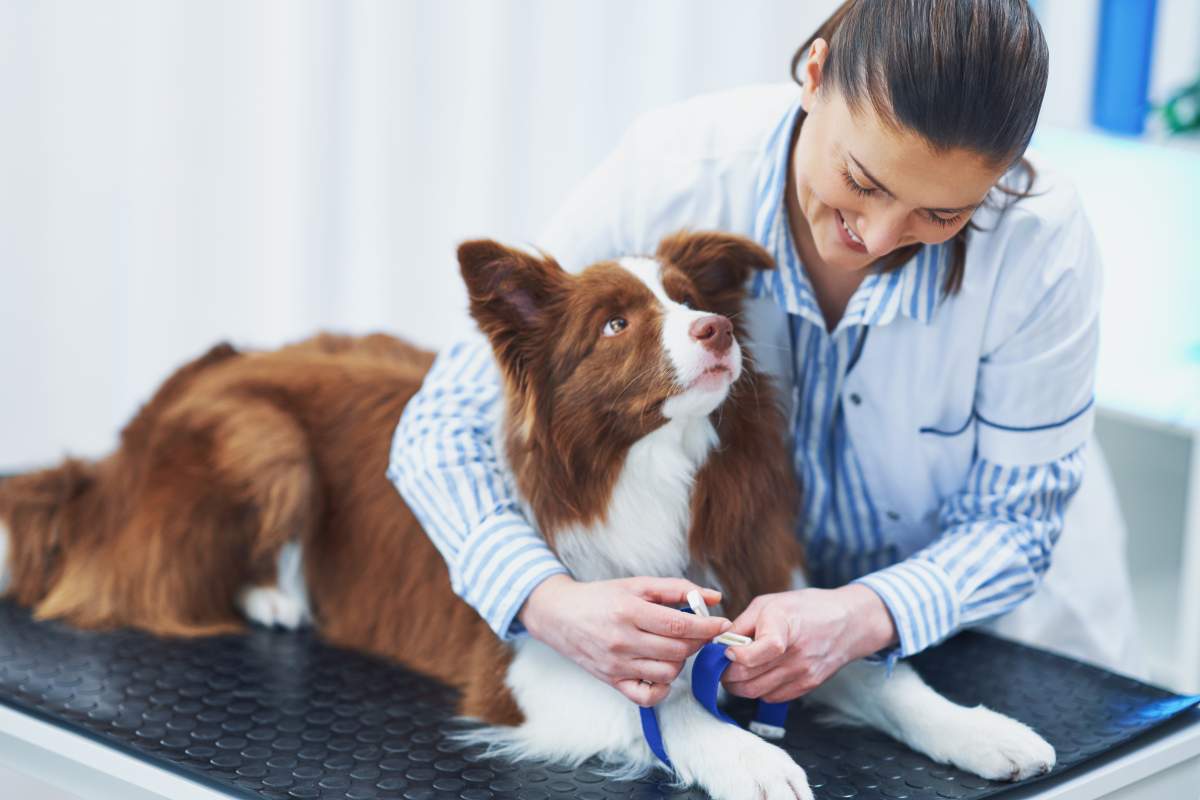
Hydrogen peroxide and activated charcoal should not be treated as routine remedies. They may be appropriate in limited poisoning situations, but only when directed by a veterinarian or poison control professional. Never use hydrogen peroxide to clean a wound, and never induce vomiting without instructions. ([ebusiness.avma.org](https://ebusiness.avma.org/files/productdownloads/LR_COM_FirstAid_010816.pdf?utm_source=openai))
How can the kit help with common injuries?
For a minor scrape, rinse visible dirt away with sterile saline or clean water, cover the area with a nonstick dressing, and prevent licking. Avoid using rubbing alcohol, concentrated disinfectants, or harsh household cleaners on open tissue unless specifically instructed.
For bleeding, place a clean gauze pad or towel over the area and apply steady, direct pressure. If blood soaks through, add another layer rather than removing the first one. Heavy bleeding, wounds that continue to bleed, deep cuts, or wounds caused by bites require prompt veterinary attention. ([ebusiness.avma.org](https://ebusiness.avma.org/files/productdownloads/LR_COM_FirstAid_010816.pdf?utm_source=openai))
For an eye exposure or surface irritation, sterile saline may be used to gently flush the eye. Do not force the eyelids open, rub the eye, or apply leftover medication. Squinting, cloudiness, swelling, continued tearing, or a visible object should be treated as urgent.
A kit may also help with a broken nail, a small superficial wound, or safe temporary restraint. It should not be used to splint a suspected fracture unless a veterinarian gives specific instructions. Incorrect wrapping can restrict circulation or worsen the injury.
What should be added for storms or evacuation?
A first aid kit is different from a full emergency kit. In addition to medical supplies, keep a separate container or bag with:
- Several days of food and drinking water
- Food and water bowls
- A manual can opener when needed
- At least two weeks of essential medication when feasible
- A carrier, harness, leash, or secure crate
- Cat litter, a litter pan, or waste bags
- Bedding, towels, and a familiar comfort item
- Copies of records and recent pet photographs
- Identification information and microchip details
- Feeding, medication, and behavior instructions
Storm-related power outages or road closures can make it difficult to replace food or medication quickly. Store supplies where they can be reached without searching through a garage, attic, or outdoor storage area. The American Red Cross recommends keeping pet emergency supplies in sturdy containers that are easy to carry. ([redcross.org](https://www.redcross.org/get-help/how-to-prepare-for-emergencies/pet-disaster-preparedness.html?utm_source=openai))
How often should a pet first aid kit be checked?
Review the kit at least twice a year and after every use. Replace expired, wet, dirty, or opened supplies. Check that bandage materials remain sealed, batteries work, records are current, and medications have not passed their expiration dates.
The kit should be adjusted for the animals in the household. A cat may need a secure carrier and towel for handling. A large dog may require a stronger leash and a blanket or board for movement. Pets with diabetes, seizure disorders, allergies, heart disease, or other chronic conditions may need condition-specific supplies and written instructions.
When is first aid not enough?
Seek urgent veterinary care for breathing difficulty, collapse, severe bleeding, poisoning, heat illness, seizures, serious burns, suspected fractures, eye injuries, snake bites, or injuries involving a vehicle. A pet that appears quiet after an accident may still have internal injuries.
Call for veterinary guidance while preparing for transport. Keep the animal as still and calm as possible, protect your hands and face, and take the first aid kit and medical records with you. Basic preparation can reduce confusion during the first few minutes, but prompt professional assessment remains essential for potentially serious problems. ([ebusiness.avma.org](https://ebusiness.avma.org/files/productdownloads/mcm-client-brochures-pet-first-aid-2023.pdf?utm_source=openai))