

 See My Latest Article on HelloNation
What Should You Do First If Your Pet Eats Something Toxic?
If a pet in Covington, GA is suspected of ingesting something toxic, immediate action is vital. The first step is to stay calm, remove your pet from the source, and prevent further access to the substance. Quick observation and decision-making can make a difference. Check your pet's mouth if safe, try to identify the suspected toxin, and take note of the time and any changes in your animal’s behavior.
It is not always obvious which items are dangerous. Many common household and outdoor items—such as certain houseplants, foods, cleaning products, and yard chemicals—can be hazardous to pets. Human medications and local wildlife, such as toads or mushrooms found in the area, are other considerations in the city. If you witness your pet eating something and are not sure of its safety, proceed as if it could be toxic.
Should You Try Home Remedies?
Most home remedies are not recommended and can be harmful. Inducing vomiting, for example, should never be attempted without professional advice, since some substances (like caustics or sharp objects) can make vomiting more dangerous. Dilution with milk, oil, or water is an outdated suggestion that can worsen some poisonings.
Instead, safely confining your pet away from any additional hazards and gathering relevant details—such as the name of the substance, the amount ingested, and your pet’s weight—will be more helpful for a veterinarian or poison control expert.
What Symptoms Should You Watch For?
Symptoms of poisoning can develop quickly or gradually, depending on the toxin and the animal's size and health. Immediate symptoms might include:
- Vomiting or diarrhea
- Drooling or foaming at the mouth
- Lethargy or uncoordinated movements
- Seizures or tremors
- Difficulty breathing
- Swelling of the face, tongue, or throat
In Covington's warm seasons, panting, respiratory distress, and collapse are especially concerning, given the risk of heat-related complications. Not all toxic exposures cause symptoms right away, so observation for at least 12-24 hours is warranted after any likely exposure.
How Can You Identify Common Toxins Found in the Community?
Local area households and yards often have the following hazardous substances:
- Antifreeze and automotive chemicals, particularly in driveways or garages
- Fertilizers, herbicides, and pesticides, often in storage sheds or on treated lawns
- Human medications left on counters or dropped on floors
- Chocolate, grapes, onions, garlic, and xylitol-containing foods
- Lilies, sago palm, and azaleas, which are popular garden plants toxic to pets
In more rural or wooded parts of the city, wild mushrooms and even some frogs or toads may also pose poisoning risks. During the spring and summer, yard treatments and increased outdoor activities raise the chances of accidental exposures.
Who Should You Call for Information or Help?
Knowledgeable guidance is crucial if your pet is exposed to a toxic substance. Do not hesitate to call a veterinarian or a pet poison helpline. For local residents, poison control resources and emergency veterinary contacts are essential to have on hand, especially during evenings and weekends when regular clinics may be closed.
You may be asked:
- What was eaten or contacted?
- How much, and when?
- What symptoms are showing?
- What is your pet's age, weight, and species?
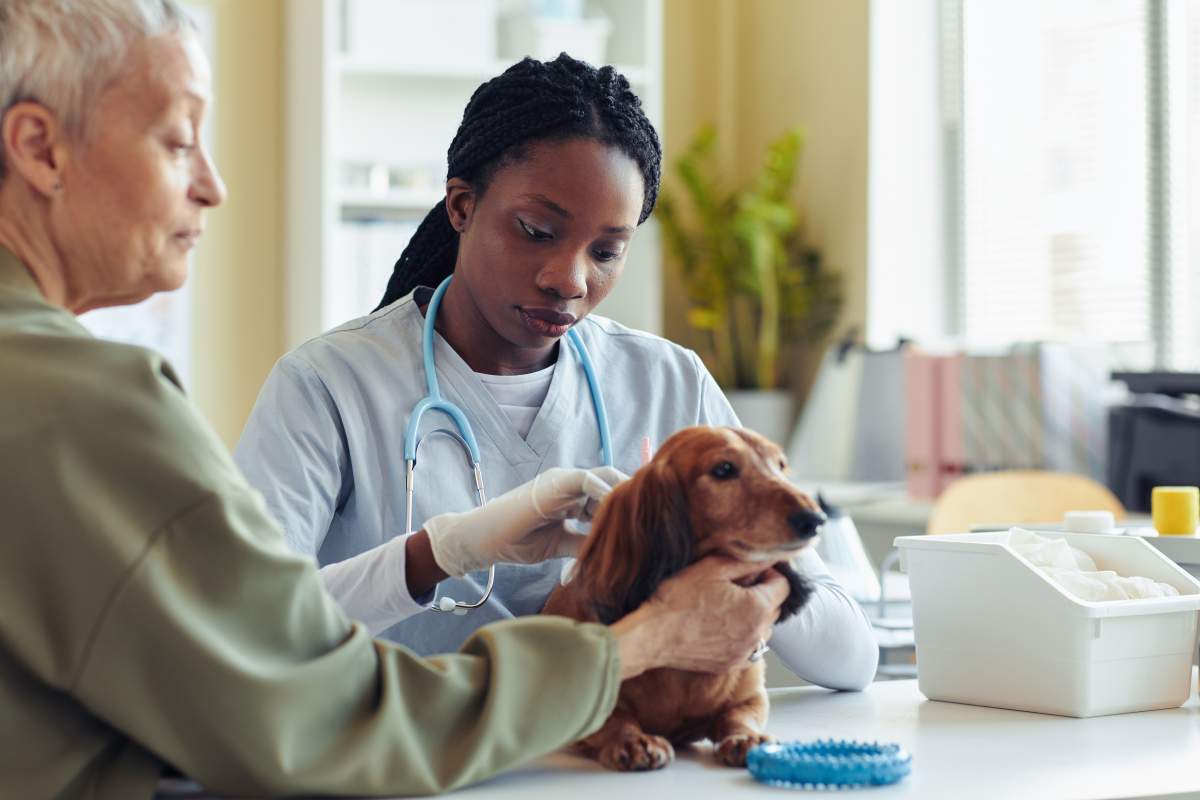
Having the suspected packaging or plant sample available can help professionals give you more accurate advice.
What Should You Bring and Prepare Before Traveling to a Clinic?
If a veterinarian directs you to a clinic, bring:
- The packaging or a photo of the toxic item or label, if available
- A written timeline of your pet’s exposure and symptoms
- Your pet’s medical records and details about any medications
When traveling, keep your pet calm and as still as possible, especially if experiencing symptoms like ataxia, seizures, or breathing problems. Avoid feeding additional food, water, or medication unless specifically directed by a veterinary professional.
How Can You Prevent Accidental Poisonings at Home?
Local residents can reduce risky exposures by storing chemicals, medications, and pet-toxic foods out of reach in secure cabinets. During the growing season, take caution with what you plant, and supervise pets outdoors to prevent them from eating unknown plants, mushrooms, or trash. Keep areas where antifreeze or pesticides are stored or used well-sealed and cleaned.
Inside, double-check that small items like pills are kept off floors and surfaces accessible to pets. Whenever cleaning or doing yard work, keep pets safely away until all substances are dry and the area is secured.
Are There Seasonal or Environmental Factors to Consider?
The warm, humid climate in the region encourages rapid growth of mushrooms and accidental spills of outdoor chemicals, increasing seasonal risk. Holiday times can mean more dangerous foods and open containers within reach. Rainy periods foster mushroom growth and may dilute toxins into standing water, attracting curious pets.
By understanding these seasonal risk factors, residents are better equipped to adapt home routines and prevent incidents related to hazardous exposures.