

 See My Latest Article on HelloNation
How Frequently Do Most Pets Need Vet Visits?
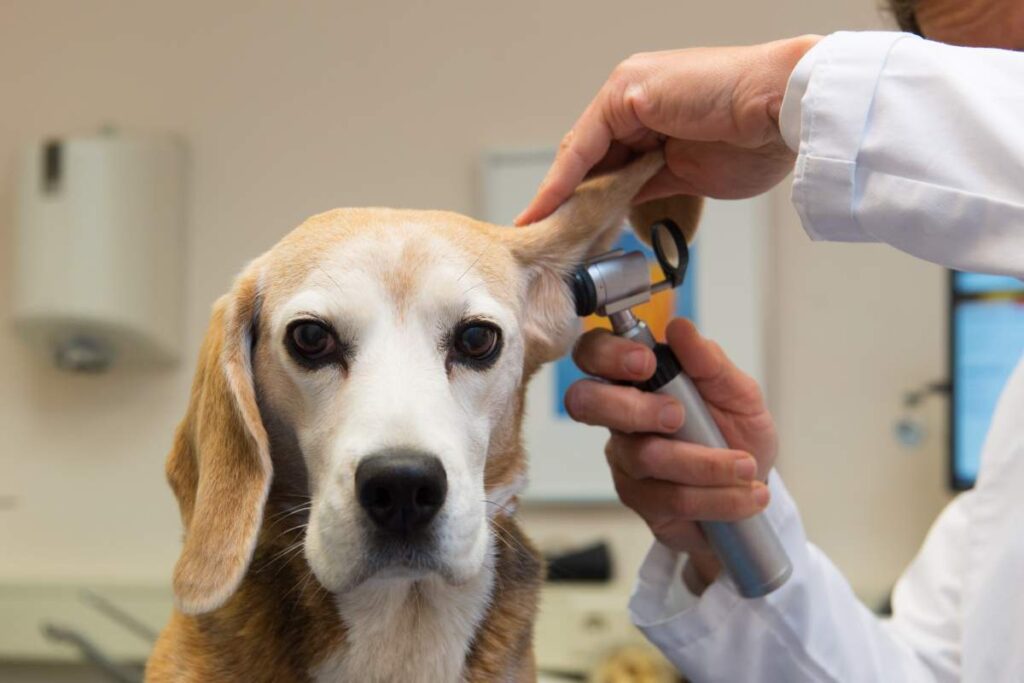
Most healthy dogs and cats in Covington, GA should receive a veterinary checkup at least once a year. Annual visits allow for timely vaccinations, thorough exams, and early detection of developing issues—especially important in the city’s subtropical climate, where pests like ticks and heartworms are active much of the year.
Yearly exams keep pets protected and give owners a chance to talk to a veterinarian about nutrition, seasonal risks, and any recent behavior changes. For puppies, kittens, and senior pets, more frequent visits are often necessary.
Why Do Puppies and Kittens Need More Frequent Care?
Young animals are especially vulnerable to disease, parasites, and developmental concerns. In the first year, puppies and kittens usually follow a schedule with multiple visits:
- Initial visit at 6-8 weeks old for physical exams and first vaccines
- Additional boosters every 3-4 weeks until around 16 weeks old
- Deworming and parasite checks as needed
- Preventive treatments for local threats, including fleas and ticks
Pediatric veterinary schedules help prevent parvovirus, distemper, rabies, and other preventable diseases. Newly adopted pets or strays, which are common in community shelters in the area, may have incomplete records and benefit from an early exam.
How Often Should Senior Pets Be Seen?
Pets age faster than humans. Dogs and cats over age 7 (sometimes earlier for larger breeds) benefit from veterinary checkups every six months rather than once a year. Older pets in Covington may develop arthritis, kidney changes, dental issues, or chronic conditions that progress slowly.
Twice-yearly visits for seniors allow earlier intervention for subtle problems. Vets may suggest routine bloodwork, urine tests, and more frequent dental exams for aging animals in the community.
What About Pets With Chronic Health Problems?
Animals managing diabetes, thyroid conditions, allergies, or heart disease might need exam intervals tailored to their specific needs. Pets on chronic medications should have their doses monitored and adjusted based on regular blood tests and physical exams.
In these cases, a veterinarian may recommend checkups every few months. Routine monitoring is especially important during hot, humid Covington summers, when conditions like heart failure or skin allergies can worsen.
Does Pet Lifestyle in the City Affect Visit Frequency?
Yes. A pet’s exposure to outdoor spaces, other animals, and local wildlife should be considered. For example:
- Indoor-only cats may have lower risk of infectious diseases, but still need annual (or semiannual) exams to catch dental and metabolic issues.
- Dogs walked on city streets, through local parks, or near wooded areas have increased exposure to tick-borne diseases, fleas, and heartworm, especially in warm months.
- Pets in households with multiple animals or frequent new fosters may require more frequent vaccine updates and parasite checks.
Discussing changes to a pet’s environment or travel habits with a veterinarian can help tailor visit frequency to real conditions in the community.
What Warning Signs Mean a Pet Needs Immediate Care?
While routine visits are planned in advance, certain symptoms always warrant prompt attention:
- Sudden behavior changes, confusion, or collapse
- Severe vomiting, diarrhea, or loss of appetite lasting more than 24 hours
- Difficulty breathing or persistent coughing
- Bleeding that doesn’t stop
- Unexplained pain or limping
- Swollen abdomen or breathing distress in older pets
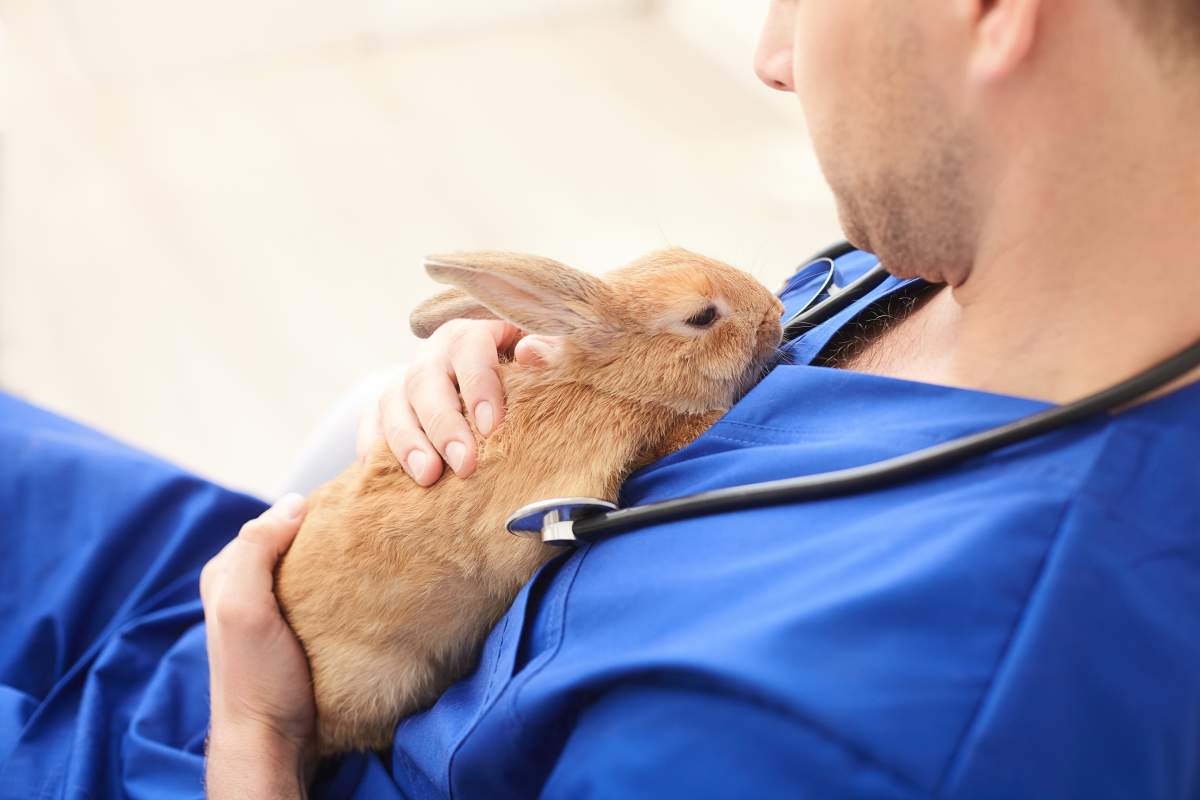
Ignoring abnormal signs can allow illnesses to progress. If in doubt, it’s safer to have a vet evaluate any sudden or severe symptoms.
Do Vaccination and Preventive Care Schedules Differ by Season?
Covington’s mild winters and humid summers allow some pests, like fleas and ticks, to persist year-round. Heartworm prevention is recommended throughout all seasons.
Spring often brings a spike in tick and mosquito activity. Many veterinarians recommend refreshing vaccines, booster shots, and parasite prevention in advance of warm weather.
Rabies, distemper, and other core vaccines follow a set schedule, but annual boosters are typically timed to coincide with yearly exams for convenience and compliance with local animal welfare regulations.
What Common Misunderstandings Lead to Skipped Vet Visits?
Some residents believe that indoor-only pets or animals with no obvious symptoms don’t need regular exams. However, certain conditions—like kidney disease in older cats or dental infections in small dogs—develop gradually and are not always visible at home.
Another misconception is that preventive medication alone eliminates the need for annual checkups. In reality, only physical exams and routine lab work can catch silent health changes early, before they become advanced or costly.
How Can Pet Owners Prepare for a Veterinary Visit?
Making the most of a checkup involves coming with questions, a record of food and treats, and a list of any new behaviors or concerns.
Bringing vaccination and previous visit records helps a veterinarian track a pet’s care over time, especially important if an animal was rescued or adopted from a community shelter.
Preparing pets for the visit—practicing crate travel, leash walking, or handling paws and ears at home—can reduce stress and lead to a smoother experience.