

 See My Latest Article on HelloNation
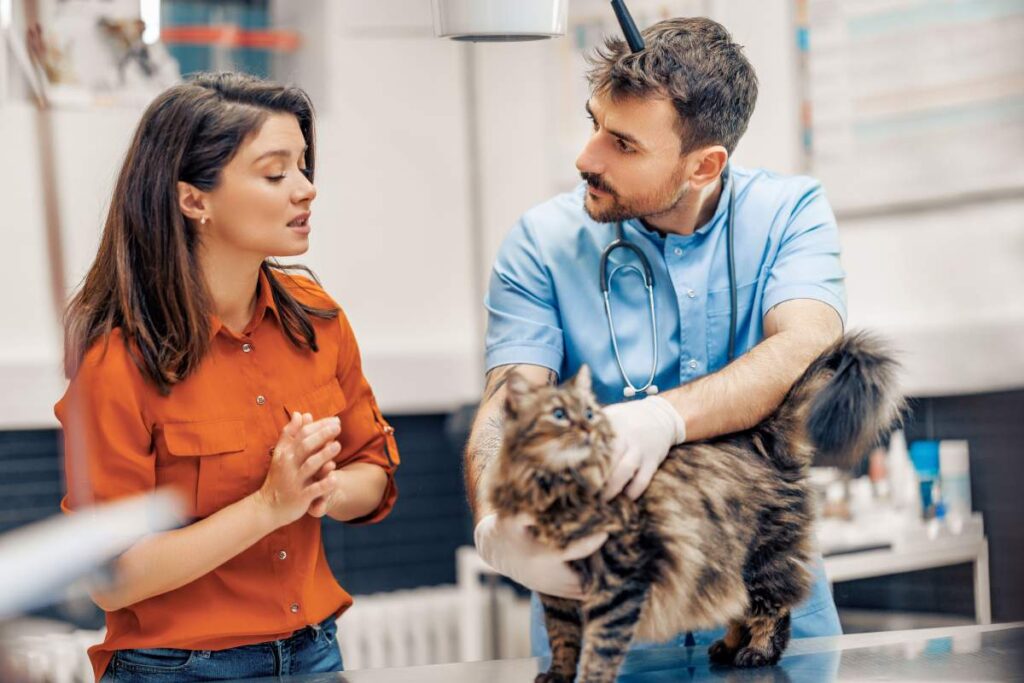
Why Do Dogs and Cats Need Vaccines?
Vaccines help protect pets from contagious diseases, some of which can be very serious or even fatal. For households in Covington, GA, the local animal population, climate, and outdoor lifestyle can increase pets’ exposure to certain illnesses. Regular vaccinations not only safeguard individual pets but also reduce the risk of outbreaks in the community.
What Core Vaccines Are Recommended for Dogs and Cats?
Core vaccines are those that all pets should receive, regardless of lifestyle. For dogs and cats, these include protection against diseases commonly found throughout the region.
For dogs, core vaccines usually include:
- Rabies
- Distemper
- Parvovirus
- Adenovirus (hepatitis)
For cats, core vaccines typically cover:
- Rabies
- Feline herpesvirus (rhinotracheitis)
- Calicivirus
- Panleukopenia
Rabies vaccination is legally required for both dogs and cats in Georgia, so all local pets must be kept up to date for compliance and safety.
How Often Are Vaccines Given?
Puppies and kittens start with a series of vaccines beginning at 6 to 8 weeks old. These initial vaccines, or “boosters,” are given every few weeks until about 16 weeks of age. This schedule is designed to maximize immunity as the young animal weans off natural protection from its mother.
For adult pets:
- Most core vaccines are then repeated at a one-year anniversary.
- Many core vaccinations, such as rabies, move to a three-year schedule after the first annual booster (if allowed by local regulations and vaccine type).
- Some non-core vaccines, if recommended, may be given yearly.
Local pet owners sometimes wonder if annual boosters are necessary for all vaccines. Not every shot is needed each year, but regular veterinary checks ensure pets stay up to date without unnecessary doses.
What About Optional or Non-Core Vaccines?
Some shots are given based on a pet’s lifestyle or risk factors. For the Covington area, dogs who visit parks, participate in group activities, or spend time boarding may need additional vaccines. These might include:
- Bordetella (“kennel cough”)
- Canine influenza
- Leptospirosis
Cats allowed outdoors or frequently exposed to other unknown cats may need protection from feline leukemia virus (FeLV).
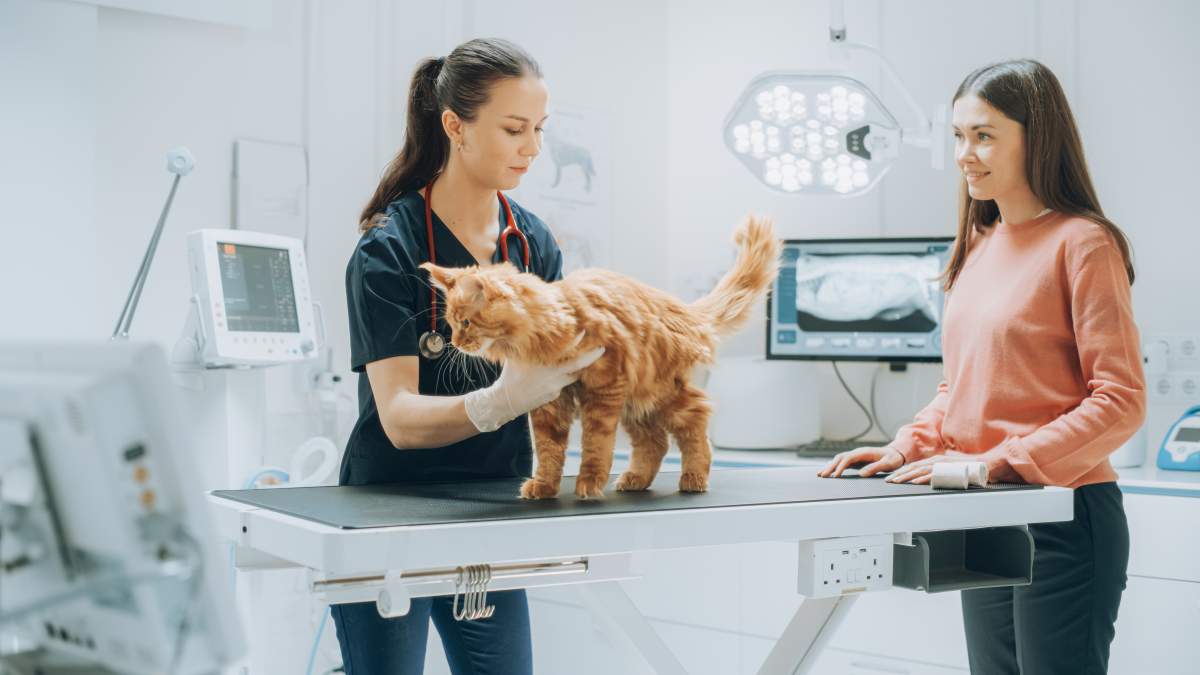
Determining which non-core vaccines make sense for a pet’s daily life depends on outdoor access, interaction with other animals, and local disease trends.
Are Vaccine Schedules the Same for All Pets?
Vaccine timing can vary depending on factors like age, health, and prior vaccination status. For example:
- A newly adopted adult pet might need a different vaccination schedule from a newborn.
- Senior pets or animals with chronic health issues may require adjustments.
- Stray or rescue animals often have unknown vaccination histories and may start their schedule from scratch.
Local veterinarians adapt vaccine plans to meet the individual needs of each animal while following legal and professional guidelines.
What Risks or Side Effects Are Associated with Vaccinations?
Most pets experience no problems after vaccines beyond mild sleepiness or some soreness at the injection site. Very rarely, an animal can have an allergic reaction (such as swelling, vomiting, or trouble breathing). These severe effects almost always occur quickly, often before leaving the clinic.
A few local myths suggest that indoor pets or rural animals “don’t need shots.” In fact, certain diseases, like rabies and distemper, can be transmitted by wildlife in area neighborhoods, not just at dog parks or busy public areas.
How Can Residents Keep Track of Vaccines in the Community?
It’s common to misplace records or become unsure of a pet’s vaccine history. Keeping up-to-date copies in a secure home location—along with digital photos or scans—helps resolve confusion, especially when traveling or moving. Local animal control or adoption agencies may request to see rabies certificates or other proof for licensing and public safety compliance.
If a pet misses a scheduled booster by several months, its vaccination program may need restarting to maintain proper immunity. Pet owners sometimes misunderstand “grace periods” for rabies vaccines; Georgia law requires animals to be currently vaccinated, not just recently overdue, for full legal protection.
Is Natural Immunity Enough?
Pets do gain some temporary immunity from their mothers and minor protection from previous exposure, but this fades quickly. Relying on natural immunity alone is not considered safe in the Covington region, especially since local outdoor wildlife like raccoons and skunks can spread certain viruses. Rabies, once contracted, is always fatal—making vaccination essential for pets’ protection and community health.
What Special Considerations Apply Locally?
Seasonal weather in Covington supports year-round fleas, ticks, and mosquitoes, which can carry diseases like leptospirosis that are not a problem everywhere. Outdoor pets or those in wooded neighborhoods may require special attention. High humidity and local rainfall can also affect bacterial survival and the spread of some illnesses.
Additionally, the community’s regulations around leash laws, pet licensing, and rabies reporting mean that even strictly indoor companions may interact with animals outside the household, such as during repairs, wildlife sightings, or neighborhood events.
Staying current with vaccine recommendations isn’t only about following the schedule—it’s about adjusting to the specific risks present across the city’s parks, subdivisions, and natural spaces.