

 See My Latest Article on HelloNation

Thunderstorms can trigger intense fear in dogs and cats, even when the animals have tolerated rain or loud noises in the past. The combination of thunder, lightning, wind, pressure changes, static electricity, and darkened skies may cause panic, hiding, escape attempts, or destructive behavior.
For households in Covington, GA, storm preparation is especially useful during periods of frequent spring and summer thunderstorms. A few changes made before the clouds gather can reduce risk and give a frightened pet more choices.
How can you tell if a pet is anxious during a storm?
Common signs include pacing, panting, trembling, drooling, whining, barking, hiding, clinginess, refusing food, scratching at doors, or trying to escape. Some pets become unusually quiet rather than visibly frantic.
Cats may retreat under furniture, flatten their ears, crouch low, or stop interacting with people. Dogs may follow a family member from room to room, press against walls, or attempt to get into closets, bathrooms, or other enclosed spaces.
Storm anxiety can begin before the first thunderclap. A pet may react to dark clouds, rising wind, rain on the roof, changes in household activity, or other cues that a storm is approaching.
A sudden change in behavior deserves attention. Pain, illness, hearing loss, cognitive changes, and other medical problems can make an animal more sensitive to noise or less able to cope with stress.
What should a safe storm space include?
Create a quiet, familiar area where the pet can retreat voluntarily. This might be an interior room, hallway, covered crate, bathroom, or another location away from windows.
The space should include:
- Comfortable bedding or a familiar blanket
- Fresh water
- A favorite toy or food puzzle, if the pet is willing to eat
- A crate with the door left open, if the crate is already associated with safety
- Curtains or blinds closed to reduce flashes of lightning
- Background sound from a fan, television, or calming music
Do not force a dog or cat into a hiding place. A safe area works best when the animal can enter and leave freely, unless the household is moving to a designated severe-weather shelter where confinement is necessary for safety.
Check the area for hazards. Remove cords, breakable objects, toxic substances, and anything the pet could swallow. A frightened animal may behave differently from normal and squeeze through small openings or chew materials that would usually be ignored.
Should you comfort a frightened pet?
Calm, gentle attention is appropriate if the pet seeks it. Sitting nearby, speaking in a normal voice, or offering quiet petting will not “reward” fear. Fear is an emotional response, not a behavior the animal is choosing to perform for attention.
At the same time, avoid frantic reassurance, punishment, yelling, or forcing interaction. These responses can increase arousal and may make the storm feel even more threatening.
Follow the pet’s preference. Some animals want close contact, while others become more anxious when handled. If the pet hides, allow that distance while remaining available.
People in the home should try to maintain ordinary routines. Lower voices, slower movements, and familiar activities can help signal that the environment remains safe.
How can you prepare before the next storm?
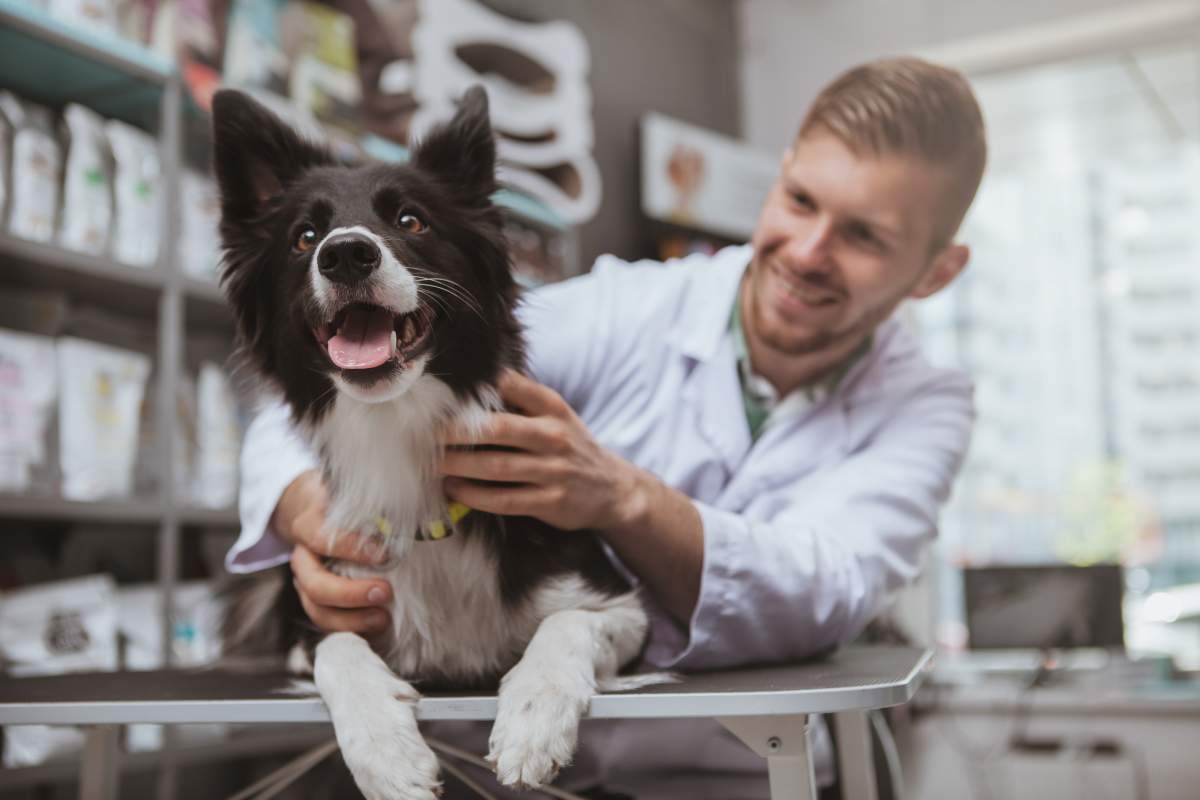
Preparation is more effective when it begins on calm days. Teach the pet that the storm area is a pleasant place by placing treats, meals, toys, or bedding there when no storm is present.
Make sure identification information is current. Storm-related panic can lead to door-dashing, broken fences, or escape through gates. Dogs should have secure collars and identification, and cats should be safely identified according to household preferences. Keep doors, windows, and garage access secured before severe weather arrives.
Take dogs outside for exercise and bathroom breaks before thunder becomes intense. During the storm, avoid unnecessary outdoor trips and keep dogs on a leash even in a fenced yard. Lightning, wind-blown debris, flooded areas, and downed electrical lines can create hazards that are not obvious from indoors.
For households that may lose power, keep water, food, medications, carriers, leashes, and needed supplies together. Never leave a pet outdoors during a thunderstorm.
Can training reduce storm fear?
Behavioral training can help, particularly when started before anxiety becomes severe. Desensitization involves playing recorded storm sounds at a very low volume while the pet remains relaxed. Pairing the sound with treats, play, or another enjoyable activity can gradually change the animal’s emotional response.
The sound should be quiet enough that the pet does not show fear. If the animal pants, hides, stops eating, or becomes watchful, reduce the volume or stop the session. Increasing exposure too quickly can strengthen fear rather than reduce it.
Short sessions are usually more useful than occasional long sessions. Progress may take weeks or months, and some pets need an individualized plan. Training should not be attempted during an actual storm when the animal is already panicked.
Are calming products or medications safe?
Some pets benefit from pressure garments, pheromone products, calming supplements, or other aids, but responses vary. A product labeled “natural” is not automatically safe for every animal. Human medications, essential oils, cannabis products, and leftover prescriptions can be dangerous.
Veterinary guidance is appropriate when a pet has severe fear, injures itself, damages doors or windows, escapes, cannot settle for hours, or repeatedly worsens from one storm season to the next. Medication may be used for individual storms or as part of a broader treatment plan, depending on the animal’s health and behavior.
Any prescribed medication should be given exactly as directed. It is often useful to try a veterinarian-approved dose on a quiet day, when observation is possible, rather than waiting for a major storm. A sedated pet may appear still while remaining frightened, so the goal should be reduced anxiety and improved safety—not simply reduced movement.
When does storm anxiety require urgent help?
Seek prompt veterinary attention if a pet has a serious injury, trouble breathing, collapse, repeated vomiting, suspected poisoning, or signs of overheating. Emergency help may also be needed after an escape, especially if the animal has been exposed to traffic, floodwater, debris, or electrical hazards.
For ongoing anxiety, keep a brief record of what happens during each storm. Note the warning signs, the pet’s hiding place, appetite, attempts to escape, recovery time, and any strategies that helped. This information can make future behavioral and medical decisions more precise.
The most effective approach usually combines storm-safe housing, calm human behavior, advance preparation, gradual training, and veterinary oversight when fear is intense. Each pet responds differently, so the plan should be adjusted to the animal’s body language, health, and level of distress.