

 See My Latest Article on HelloNation
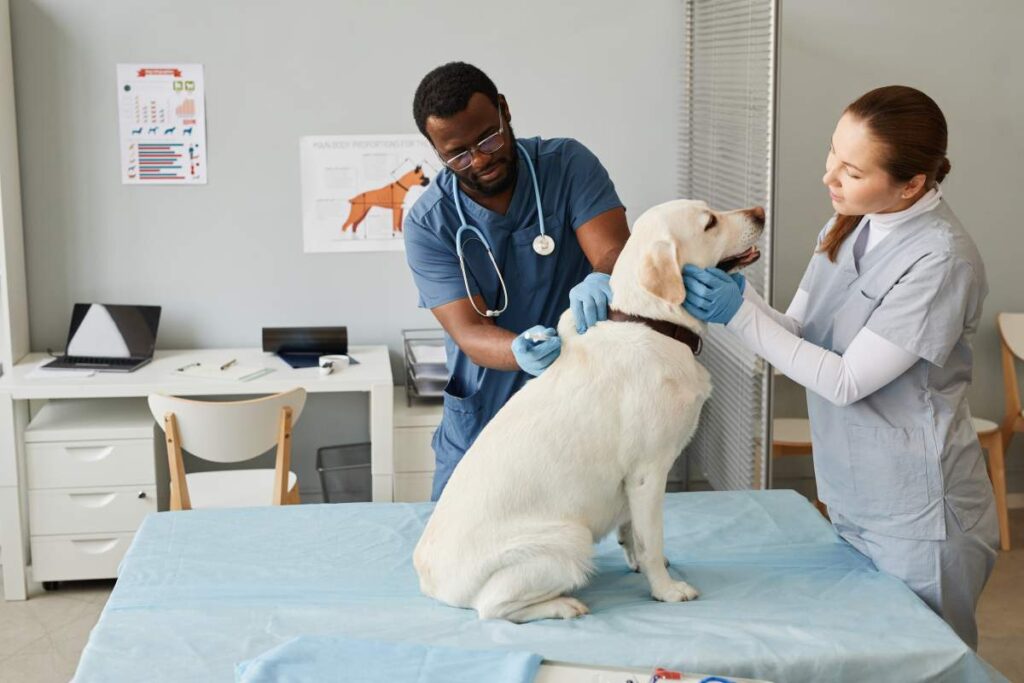
Which foods are genuinely poisonous to cats and dogs?
Chocolate, grapes and raisins, onions and garlic, alcohol, caffeine, and products containing xylitol are among the most concerning household foods for pets. Some can cause heart problems or seizures, while others may damage the kidneys, liver, or red blood cells.
The risk depends on the food, amount eaten, the pet’s size, and whether the pet is a cat or dog. A small dog or cat may become seriously ill after eating an amount that seems minor to a person. Kittens, puppies, senior pets, and animals with existing health problems may be more vulnerable.
In Covington, GA, many households keep snacks, baked goods, and holiday foods in easily accessible kitchens. Pets may also find discarded food in trash cans, outdoor bins, patios, or garages. Keeping food sealed and disposing of leftovers securely is part of poisoning prevention.
Why is chocolate dangerous?
Chocolate contains theobromine and caffeine, substances that pets process poorly. Dark chocolate, baking chocolate, cocoa powder, and some semisweet products are more dangerous than milk chocolate because they contain higher concentrations.
Possible signs include:
- Vomiting or diarrhea
- Restlessness, agitation, or panting
- Increased thirst or urination
- Fast or irregular heartbeat
- Tremors, seizures, or collapse
Chocolate poisoning can become severe several hours after ingestion. Do not wait for symptoms before asking for veterinary guidance, especially if a pet has eaten baking chocolate, cocoa powder, dark chocolate, or an unknown amount.
Keep chocolate desserts, candy bowls, baking supplies, and cocoa products away from pets. During holidays, place plates and gift baskets where a curious dog or cat cannot reach them.
Are grapes and raisins poisonous to pets?
Grapes and raisins can cause sudden kidney injury in dogs. The exact toxic dose is unpredictable, and some dogs have become ill after eating a relatively small amount. Raisins may be found in trail mix, breads, cereals, granola, cookies, and some holiday dishes.
Vomiting may occur early, followed by tiredness, loss of appetite, increased thirst, changes in urination, or weakness. Kidney damage can progress even if the pet initially appears normal.
Grapes and raisins should not be offered as treats. If a dog eats them, save the package or food label if available and seek immediate veterinary advice. Cats are less commonly affected, but any known ingestion should still be treated seriously.
Can onions, garlic, and chives harm cats and dogs?
Yes. Onions, garlic, chives, leeks, and related plants can irritate the digestive tract and damage red blood cells. Cats are especially sensitive, although dogs can also become ill.
These ingredients may be present in foods that do not look dangerous, including:
- Sauces, gravies, soups, and broths
- Seasoned meats
- Baby food
- Pizza and prepared meals
- Garlic powder or onion powder
- Supplements and concentrated flavorings
Signs may include vomiting, diarrhea, weakness, pale gums, rapid breathing, or unusual tiredness. Red blood cell damage may not become obvious until several days after exposure, so a pet that seems fine immediately after eating seasoned food may still need evaluation.
Do not assume that cooking makes onions or garlic safe. Concentrated powders can be particularly easy for a pet to consume in a harmful amount.
Why is xylitol especially dangerous for dogs?
Xylitol is a sweetener used in some sugar-free gum, candy, baked goods, mints, dental products, supplements, and nut butters. In dogs, it can trigger a rapid release of insulin and cause dangerously low blood sugar. It may also lead to liver failure and bleeding problems.
Early signs can include:
- Vomiting
- Weakness or unusual sleepiness
- Staggering or difficulty walking
- Shaking
- Collapse or seizures
Signs may begin quickly, sometimes within minutes, although serious liver problems can develop later. Check ingredient labels for “xylitol,” “birch sugar,” or “wood sugar.” Some products marketed as sugar-free do not contain xylitol, while others do, so the label matters.
Xylitol is primarily a dog emergency. Cats appear less likely to be affected, but products containing it should still be kept away from all pets.
Are alcohol and caffeine dangerous?
Alcohol can cause vomiting, diarrhea, poor coordination, weakness, breathing problems, tremors, coma, and death. Pets may be exposed through alcoholic drinks, mixed beverages, raw yeast dough, fermented foods, or desserts made with alcohol.
Caffeine is also unsafe. Coffee grounds, coffee beans, energy drinks, tea bags, caffeine tablets, soda, and chocolate products can cause restlessness, rapid heartbeat, tremors, and seizures. A pet may be exposed by licking a spilled drink or getting into a trash container.
Never leave cups unattended on low tables, and keep used coffee grounds and tea bags inside a covered bin.
What other foods can cause serious problems?
Some foods are not classic poisons but can still cause dangerous illness, choking, or intestinal blockage.
Macadamia nuts can cause weakness, vomiting, tremors, depression, and difficulty walking in dogs. Their effects are less clearly established in cats, but they should not be offered.
Raw yeast dough can expand inside the stomach and produce alcohol as it ferments. This may cause painful stomach distention, bloating, weakness, or alcohol poisoning.
Bones, corn cobs, fruit pits, and hard food pieces can become lodged in the digestive tract or cause internal injury. Cooked bones may splinter, but raw bones are not automatically safe.
Very fatty foods such as bacon grease, meat trimmings, fried foods, and rich leftovers can trigger vomiting, diarrhea, or pancreatitis. This is a particular concern after cookouts, family gatherings, and holiday meals.
Excessively salty foods can cause vomiting, weakness, tremors, seizures, and dangerous electrolyte changes. Chips, cured meats, salty dough, and large amounts of table food should not be shared.
Milk and dairy products are usually not poisonous, but many adult cats and dogs digest lactose poorly. Even small servings can cause gas or diarrhea.
What should you do if a pet eats something toxic?
Treat a known ingestion as urgent, even if the pet appears normal. Remove the remaining food, identify the ingredients, estimate how much was eaten, and note the time. Keep the packaging or take a clear photograph of the label.
Contact a veterinarian, emergency animal clinic, or an animal poison control service promptly. The information that helps most includes the pet’s weight, age, species, health conditions, the product name, and the estimated amount consumed.
Do not give milk, oil, salt, activated charcoal, or human medication unless specifically directed. Do not induce vomiting with hydrogen peroxide unless a veterinary professional tells you to do so. Some substances cause more damage when brought back up, and vomiting may be unsafe if the pet is weak, unconscious, choking, or having seizures.
How can households prevent food poisoning?
Store human food in closed cabinets or containers rather than on counters. Use lidded trash cans, especially after gatherings. Keep purses, lunch bags, backpacks, and grocery bags off the floor because they may contain gum, candy, medication, or sugar-free products.
Teach children not to share snacks without permission, and check ingredient labels on foods used to hide pills. In homes with cats, remember that some foods may be left on counters or tables where cats can climb. In homes with dogs, assume that a sealed-looking wrapper or food bag may still be attractive enough to investigate.
A short household rule is useful: if a food is not known to be safe for pets, do not share it. Plain, species-appropriate pet food and treats are a safer choice than leftovers or improvised snacks.