

 See My Latest Article on HelloNation
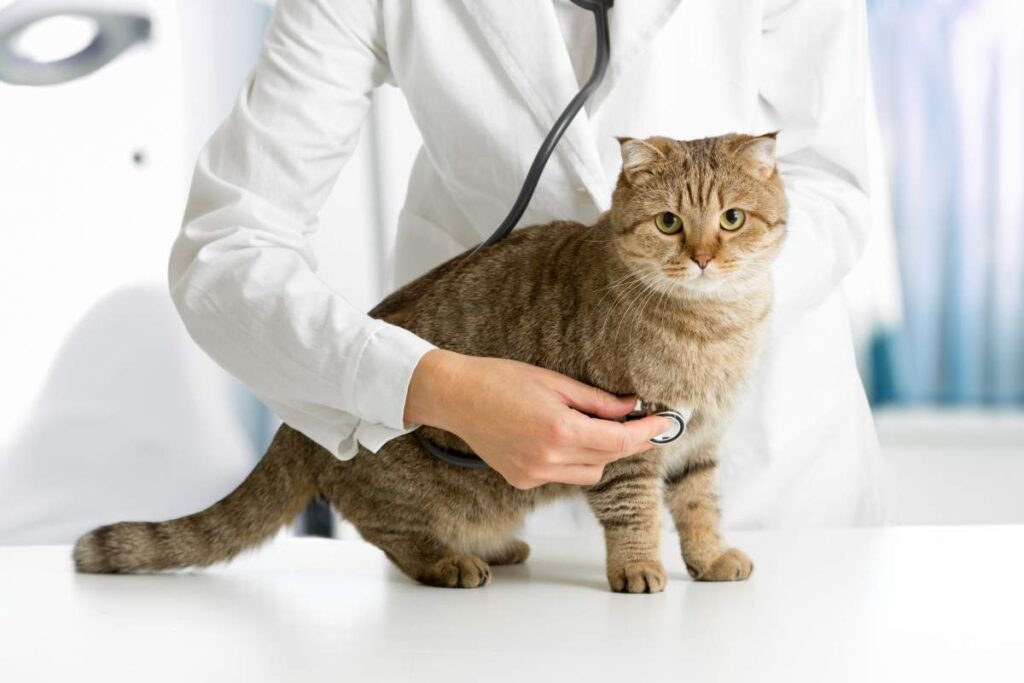
Why Do Pets Get Anxious About Vet Visits?
Pets often feel nervous about vet visits due to unfamiliar sights, sounds, smells, or the memory of past unpleasant experiences. In Covington, GA, these anxieties can be especially common for pets who spend much of their time comfortably at home or in quieter neighborhoods. Most pets do not understand why they’re visiting the vet, so unfamiliar handling, travel, and the presence of other animals contribute to their stress.
How Can You Get Your Pet Used to Car Travel?
Acclimate pets to car rides gradually by making the vehicle environment safe and predictable. Many dogs and cats in the city rarely go on trips except to the vet, so cars can become stress triggers.
- Start by allowing your pet to sit in the car with the engine off, rewarding calm behavior with a favorite treat or toy.
- Gradually increase the length of each session, turning the car on, and then eventually taking short, gentle drives around your area before ever going to a veterinary office.
- Bring along a familiar blanket or bedding to provide a sense of security.
For cats or smaller animals, always use a well-ventilated, secure carrier. Let your pet explore and rest in this carrier at home before using it for transport.
What Should You Bring to the Veterinary Office?
Bring your pet’s records, a comfort item, and some fresh water. For dogs, a sturdy leash and collar or harness are necessary; for cats and small mammals, a secure carrier is essential. Some local residents prefer to keep anxious pets in the car until it’s their turn; always check in first and ask if this is allowed for your situation. Carrying high-value treats or a favorite toy can help redirect attention and reduce anxiety in waiting areas.
If your pet needs medication, bring it along with clear notes about when doses were last given. Written lists of your pet’s current diet, medications, and any recent behavior changes can be helpful for veterinary staff.
How Do You Minimize Waiting Room Stress?
Waiting rooms can be overwhelming, especially during busier times when multiple animals or unfamiliar people are present.
- Try scheduling the earliest or least-busy appointment times available, if possible, to avoid overcrowded environments.
- Keep cats and small pets in a covered carrier and hold them securely off the ground.
- For dogs, choose a seat away from high-traffic doorways and entrances. Standing calmly, slightly behind your pet, may help them feel more secure.
- Social distancing guidelines are sometimes applicable, so check current policies if you’re unsure.
Monitoring your pet’s body language—tail position, breathing, vocalizations—provides clues about rising stress so you can intervene early with reassurance or distractions.
How Should You Prepare at Home Prior to the Visit?
Familiarizing your pet with common veterinary procedures can reduce fear. Practice gentle handling around the ears, paws, and mouth to help your pet feel less startled by examination. On the day of the visit, maintain your normal routine as much as possible, allowing time for outdoor elimination and exercise to burn nervous energy.
Restrict food if your veterinarian has advised fasting before procedures. Otherwise, a light meal and access to water are safe in most cases. Transport your animal calmly and avoid displaying your own stress, as pets sense and mirror human emotions.
Can Desensitization and Positive Reinforcement Help?
Systematic desensitization can be effective for pets with moderate-to-severe anxiety. Start with handling exercises at home and reward calm reactions generously. Practice mock exams—gently lift your pet’s lips or handle their paws for short intervals, using treats and praise to build positive associations.
If your pet’s anxiety is especially strong, creating gradual, positive memories related to car rides, carriers, and gentle restraint can help. Avoid forceful handling, yelling, or punishment before or during the visit, as these make anxiety worse.
Are There Seasonal or Local Factors Covington Residents Should Consider?
The humid summers and frequent thunderstorms in Covington, GA can affect pets’ comfort during transport. During hot weather, pre-cool the car before bringing your animal outside and never leave pets unattended in vehicles, even briefly. If your appointment coincides with severe rain or storms, cover carriers to protect from rain and loud noises.
Seasonal temperature fluctuations mean bringing extra water or using cooling mats for nervous pets is advisable. Urban wildlife and pollen counts can also influence a pet’s comfort outdoors, so factor these local conditions into your preparation.
What Should You Do If Your Pet Has Special Needs or Mobility Issues?
Elderly pets, animals with medical conditions, or pets with disabilities will require extra care during veterinary trips. Use slip-proof mats in the car or carrier, and consider ramps or lift support for larger dogs. Give yourself extra time so your pet is not rushed, and alert the veterinary team ahead of time if special accommodations are needed. For local households, ensuring safe, easy access from driveway to reception area is especially important for pets with joint issues or those recovering from injury.
What Are Some Signs Your Pet Might Need Extra Calm or Medication?
Some pets exhibit signs of severe anxiety—panting, trembling, drooling, hiding, or aggression. If gentle preparation isn’t enough, discuss strategies with your vet in advance. In some cases, short-term calming aids or prescription medication may be warranted for the safety and well-being of both pet and staff. Do not attempt to medicate pets without veterinary direction, as dosage and suitability vary by animal and health status.
How Can You Make Future Vet Visits Easier?
Consistent positive experiences and routine visits help pets become more familiar with the process. After each visit, reward your pet with their favorite treat, toy, or activity once home. Allow them to rest somewhere quiet and comfortable. If you notice persistent anxiety with visits, track patterns—frequency, triggers, reactions—and address them proactively over time.
By approaching each step thoughtfully and with patience, local pet owners can make vet visits less stressful experiences for both pets and their families.