

 See My Latest Article on HelloNation
What Happens During a Routine Pet Checkup?
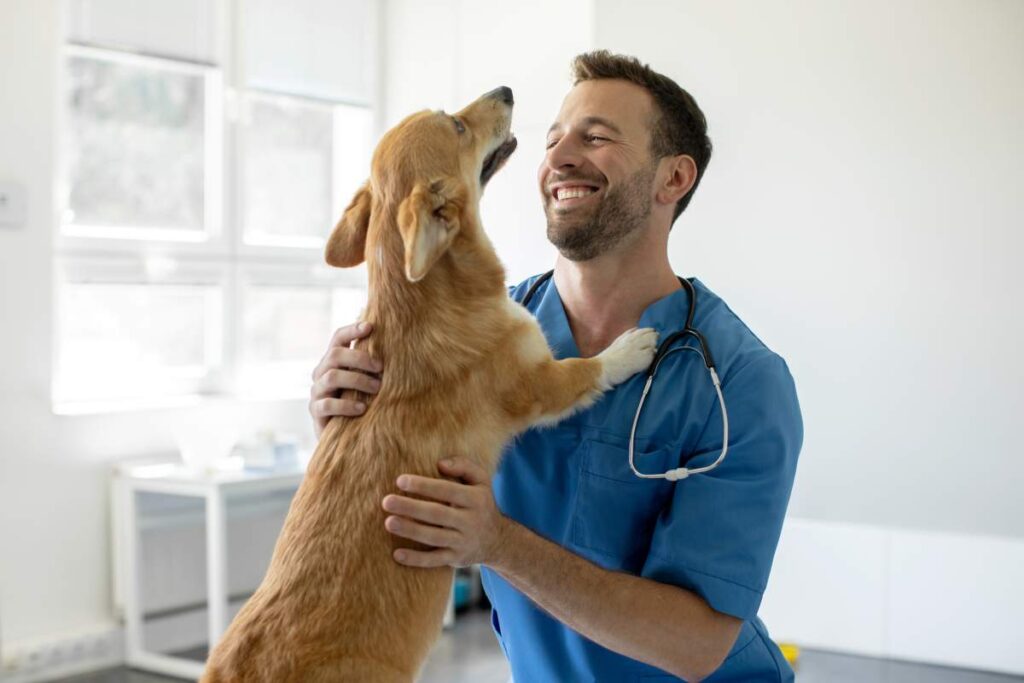
A routine pet checkup, sometimes called a wellness exam, is a foundational part of caring for dogs and cats in Covington, GA. During these visits, a veterinarian assesses a pet’s overall health, looks for early signs of illness, and discusses preventive care with the owner. For most households in this community, these checkups happen once or twice per year, helping to detect issues early and guide care across all life stages.
The appointment usually starts with a review of the pet’s medical and lifestyle history. The veterinarian will ask about eating habits, exercise levels, water consumption, elimination patterns, and any recent changes. This conversation is as important as the physical exam—small details from home life often offer vital clues to a pet’s wellbeing.
The physical exam itself is hands-on and comprehensive, covering:
- Weight and body condition
- Eye, ear, and dental health
- Skin and coat
- Heart and lung sounds
- Abdominal palpation (feeling for lumps, discomfort, or organ size)
- Joint and muscle movement
- Lymph node and thyroid check (when indicated)
- Temperature reading
Every step is designed to be gentle and reassuring for the animal. If a pet seems anxious, most veterinarians in the area will adjust their approach to make things less stressful.
How Should Local Residents Prepare Their Pets?
Routine preparation helps reduce both pet and owner stress on the day of the exam. Bringing a dog on a secure leash or a cat in a comfortable carrier with familiar bedding can ease the trip. For pets new to checkups, acclimating them to car rides and gentle handling—such as touching paws, ears, and mouths at home—can make the experience less intimidating.
Gathering information in advance is helpful:
- A list of any observed symptoms, changes, or concerns (even if they seem minor)
- A record of vaccinations, medications, or supplements
- Details on diet brands and feeding routines
- Notes on travel, exposure to wildlife, or new animals in the home
These details give the veterinary team a valuable baseline for comparison, especially during seasonal changes familiar to Covington, when allergies or parasite risks may shift.
What Preventive Care Is Typically Included?
Preventive care is central to routine wellness visits. After the physical exam, the veterinarian may recommend:
- Core and lifestyle-specific vaccines (adjusted based on the pet’s age, exposure risks, and local disease patterns)
- Screening for parasites common in the area, such as fleas, ticks, intestinal worms, and heartworm (vital in Georgia’s warm, humid climate)
- Tailored flea, tick, and heartworm prevention advice
- Diet, weight management, and dental care guidance
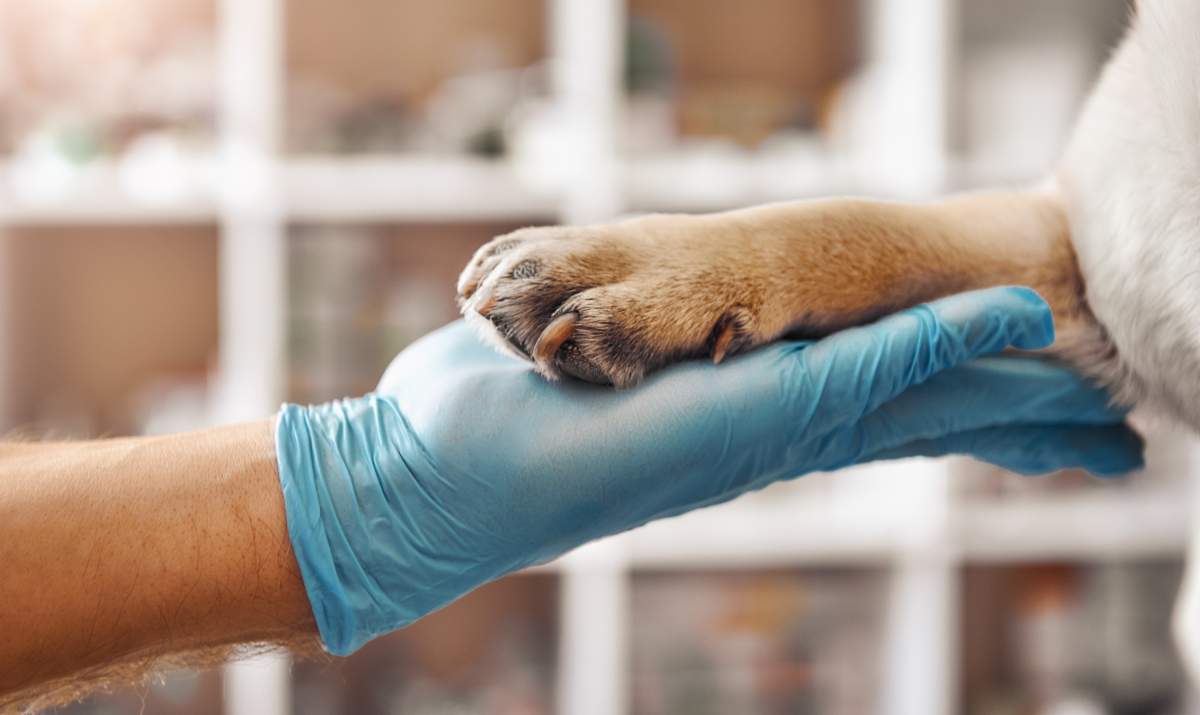
Screening tests—including bloodwork or stool samples—are not always performed at every visit for healthy adult pets, but may be recommended based on age, breed, or medical history. For instance, puppies and kittens often receive more frequent exams and booster vaccinations, while seniors may require additional blood pressure or organ function checks.
Are Pet Checkups Different for Older or Special-Needs Animals?
Yes, checkups are often adapted for pets with special needs or advanced age. Senior pets, especially those 7 years or older, face higher risks for chronic conditions like arthritis, kidney disease, dental problems, or tumors. Wellness exams in these cases might involve:
- More frequent visits (sometimes every 6 months)
- Regular blood and urine tests
- Monitoring for subtle signs of pain or cognitive decline
Similarly, pets with chronic illnesses or disabilities benefit from tailored exam schedules and focused questions about their daily quality of life. Local veterinarians are experienced in working gently with animals that are nervous, mobility-impaired, or on special medications—always seeking to minimize stress.
What Are Common Misconceptions About Routine Checkups?
One of the most common myths is that healthy-appearing pets don’t need checkups. Many medical conditions early on do not present clear symptoms; pets are adept at hiding discomfort. Routine exams help uncover concerns like dental disease, heart murmurs, or skin problems before they become severe.
Another misconception is that indoor pets are automatically protected from parasites or infectious disease. In reality, vectors like mosquitoes can enter homes, and local wildlife or pets visiting from nearby areas can still introduce risks. Regular checkups allow for timely updates to prevention strategies.
Finally, some pet owners worry about their animal being “difficult,” vocal, or fearful at the vet. Current approaches in Covington’s veterinary clinics focus on low-stress handling, and it’s not unusual for pets to be nervous. Open discussion about these challenges helps create a smoother process for all involved.
What Local Factors Might Affect Pet Checkups?
Covington’s climate—humid summers and mild winters—means year-round vigilance for ticks, fleas, and heartworm. Seasonal pollen surges in spring and fall can trigger allergic reactions in pets, leading to extra attention on skin, ears, and eyes during exams.
The city’s mix of suburban neighborhoods, rural properties, and nearby wooded areas shapes exposure risks for different households. Pets with outdoor access may require more regular screening for parasites or injuries from wildlife encounters.
Local regulatory requirements, such as rabies vaccination laws, are also considered during checkups, ensuring pets stay compliant and safe for their families and the community.
How Do Routine Checkups Support Long-Term Pet Health?
Routine checkups form the backbone of long, healthy pet lives by providing opportunities for early disease detection, tailored preventive care, and open communication between pet owners and their medical team. Over time, consistent wellness visits help track changes, guide nutritional adjustments, and build trust—making it easier to address health issues before they turn serious.
In Covington, regular attention to a pet’s wellbeing provides peace of mind, supports responsible ownership, and keeps local pets ready to enjoy the city’s outdoor spaces and welcoming community.