

 See My Latest Article on HelloNation
Rabies is a severe viral disease that affects the nervous system of mammals, including people, dogs, cats, livestock, and wildlife. It is almost always fatal after symptoms begin, but timely wound care, medical evaluation, and vaccination can prevent illness after an exposure.
For households in Covington, rabies prevention matters because pets may encounter bats, raccoons, skunks, foxes, coyotes, and other wildlife around wooded areas, neighborhoods, outbuildings, and property edges.
What is rabies, and how does it spread?
Rabies spreads when saliva or nervous-system tissue from an infected mammal enters the body, usually through a bite. Scratches contaminated with saliva can also create a risk. In uncommon situations, saliva contacting an open wound, the eyes, the mouth, or another mucous membrane may be considered an exposure.
Rabies is not generally spread by:
- Petting or briefly touching an animal
- Contact with an animal’s blood, urine, feces, or fur
- Simply seeing a wild animal nearby
- Sharing ordinary outdoor spaces without direct contact
The virus can be carried by any mammal, but bats and certain wild mammals are especially important sources of concern. An animal does not need to appear aggressive to be infected. A bat found inside a home, especially in a room where a person was sleeping, deserves careful attention because small bites may go unnoticed.
Why does vaccination matter for dogs, cats, and ferrets?
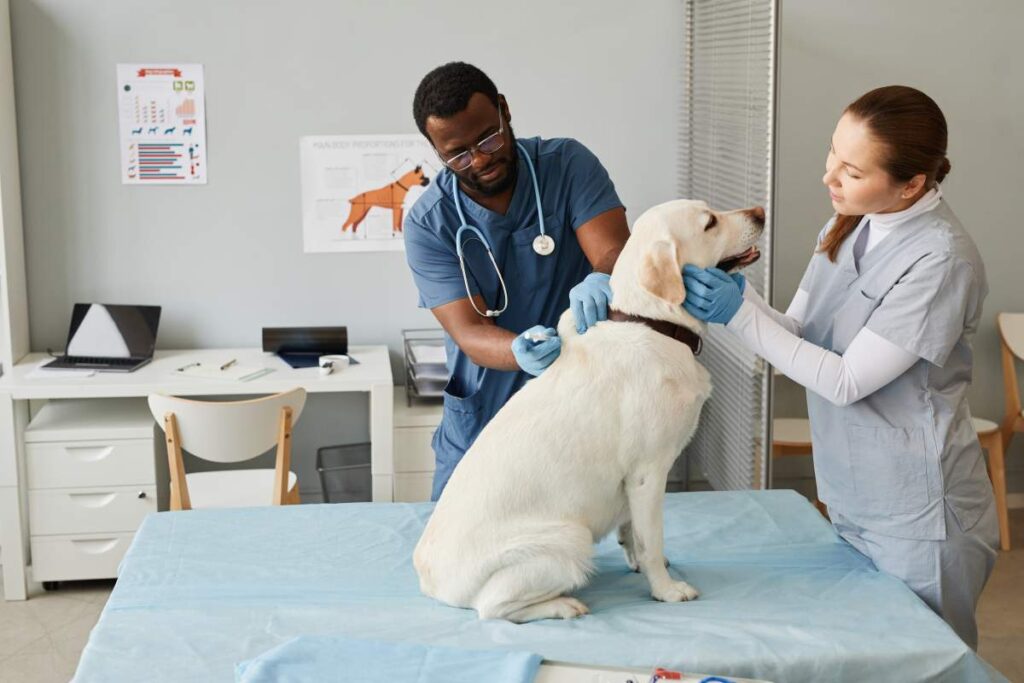
Rabies vaccination protects the individual animal and reduces the chance that people will be exposed through a pet. It also helps public health officials make safer decisions if a vaccinated animal encounters wildlife or is involved in a bite incident.
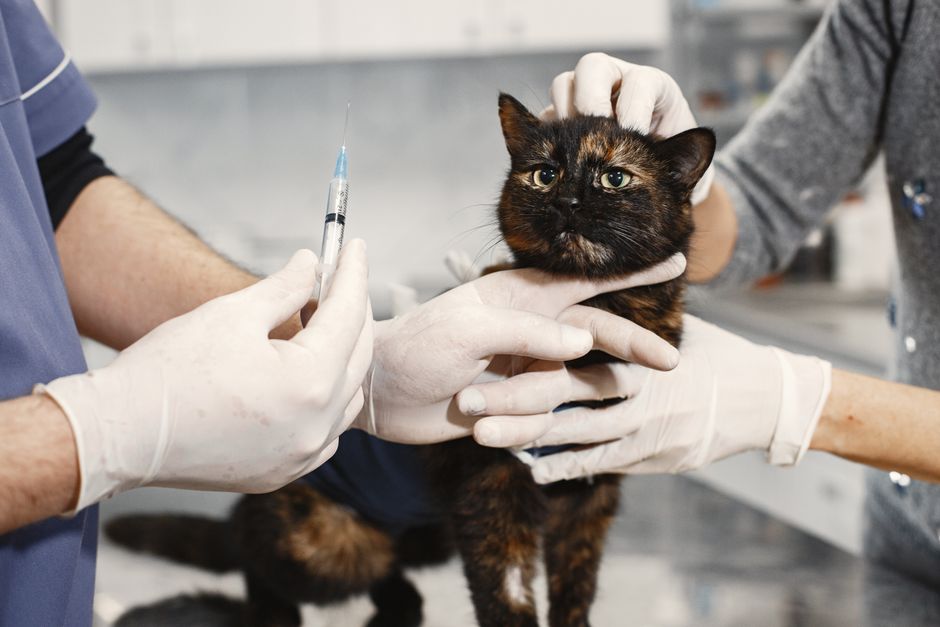
Georgia requires dogs, cats, and ferrets to be vaccinated against rabies by a licensed veterinarian. The timing of the first vaccination depends on the approved vaccine label, and a booster is generally given one year after the initial vaccination. After that, the schedule depends on the vaccine used and applicable local requirements.
A rabies tag is useful, but the vaccination certificate is the more complete record. Area households should keep that documentation with other medical and identification records, particularly when moving, boarding a pet, traveling, or responding to an animal-control investigation.
Indoor cats still need vaccination. A cat can slip through an open door, encounter a bat that enters the home, or be exposed through a screened porch or garage. Dogs that spend most of their time in fenced yards also remain vulnerable to wildlife entering the property.
How can residents reduce rabies risk around the home?
The most effective prevention is to limit contact between pets, people, and wildlife. Practical steps include:
- Keep dogs on a leash or under reliable supervision outdoors.
- Avoid leaving pet food, livestock feed, or uncovered garbage outside overnight.
- Secure sheds, crawl spaces, attics, and other structures where bats or wild mammals may enter.
- Do not approach, feed, rescue, or handle wildlife that appears unusually tame, disoriented, aggressive, or active at an abnormal time.
- Teach children never to touch a wild animal, unfamiliar pet, or animal that appears sick or injured.
- Use caution around dead wildlife and keep pets away from carcasses.
- Check outdoor areas before allowing young children or pets to explore.
Warm, humid conditions and changing seasonal wildlife activity can increase encounters around homes, wooded lots, drainage areas, and detached structures. A healthy-looking animal can still require evaluation if it has bitten, scratched, or had direct contact with a person or pet.
What should happen after a bite, scratch, or possible exposure?
Act promptly, even if the wound looks minor. Wash the area thoroughly with soap and running water for several minutes. Do not apply irritating chemicals or attempt to close a deep bite wound at home.
For a person, medical guidance and public health assessment are necessary after a bite, scratch, saliva contact with broken skin, or possible bat exposure. Post-exposure treatment may include wound care, rabies immune globulin, and a series of rabies vaccine doses. The exact treatment depends on the type of contact, the animal involved, whether the animal can be observed or tested, and the person’s previous vaccination history.
If a pet is bitten or may have fought with wildlife, separate the animals safely without touching saliva or wounds with bare hands. Do not capture a bat, raccoon, skunk, fox, or other wild mammal yourself. Record what happened, including the species, location, time, and whether the animal escaped. A veterinarian and local animal or public health authorities can determine the appropriate next steps.
A healthy dog, cat, or ferret that exposes a person may be placed under a formal 10-day observation period. This does not mean that every bite is harmless or that families should wait before reporting it. The observation process must be coordinated through the appropriate authorities.
What if a vaccinated pet encounters a rabid animal?
A currently vaccinated pet generally has stronger protection and may receive a booster and monitoring under public health guidance. The response depends on the pet’s vaccination history, the type of exposure, and whether the wild animal can be tested.
An overdue pet should still be evaluated promptly. A lapse in the schedule does not automatically mean the vaccine offers no protection, but officials may need records and additional information before deciding whether a booster, confinement, or other measures are needed.
Pets that have never been vaccinated can face much more restrictive management after a confirmed rabies exposure. Quarantine or other measures may be required because there is no licensed treatment that reliably prevents an unvaccinated animal from developing rabies after infection.
What are common misconceptions about rabies?
“My pet did not get bitten, so there is no risk.”
Bites may be hidden under fur, especially after a fight with a bat or wild mammal. A veterinary examination is appropriate when direct contact is suspected.
“The animal seemed friendly.”
Behavior alone cannot rule out rabies. Some infected animals become unusually tame, while others act confused, aggressive, or uncoordinated.
“The scratch was too small to matter.”
A small scratch can be significant if claws carried saliva or if the skin was broken. Wash it and seek risk assessment.
“Vaccination is only needed for dogs that roam.”
Any dog, cat, or ferret can encounter wildlife, including pets that stay indoors most of the time.
“Rabies can be treated after symptoms appear.”
Once clinical signs develop, rabies is nearly always fatal. Prevention must occur before symptoms begin.
Rabies vaccination is a routine preventive measure, but suspected exposures are urgent public health matters. Keeping pet records current, avoiding wildlife contact, and acting quickly after a bite or possible exposure are the most dependable ways for local households to reduce risk.