

 See My Latest Article on HelloNation
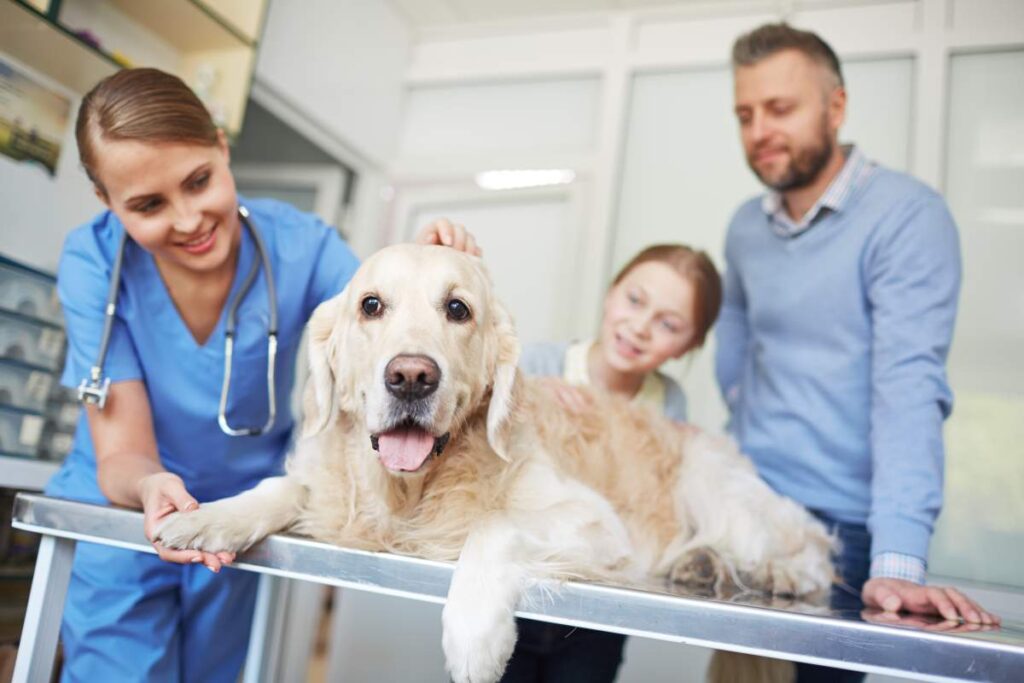
How can you tell if a pet is overweight?
A pet may be overweight if the ribs are difficult to feel, the waist is barely visible from above, or the abdomen does not narrow behind the rib cage when viewed from the side. Body weight alone is not enough because healthy weight varies by breed, frame, age, muscle mass, and species.
A practical home check is to look at your pet from three angles:
- From above: The body should become slightly narrower behind the ribs. A rounded or oval outline may indicate excess fat.
- From the side: The abdomen should slope upward from the chest toward the hind legs. A straight, sagging, or rounded underside can be a warning sign.
- By touch: The ribs should be easy to feel under a thin layer of fat without pressing firmly. They should not be sharply visible in most healthy pets.
Dogs and cats are often assessed with a nine-point body condition score. A score of 4 or 5 is generally considered ideal, while scores of 6 or higher suggest increasing excess body fat. This system is more useful than comparing a pet with another animal because body shapes differ widely.
What should a healthy pet’s body look and feel like?
A healthy dog or cat usually has ribs that can be felt individually, a visible waist, and a modest abdominal tuck. The hip bones, spine, and ribs should not be prominent unless the animal has very little body fat or an underlying medical problem.
Some breeds naturally have broad chests, short legs, heavy coats, or large muscles. A stocky bulldog-type dog may look heavier than a slim, deep-chested breed even at a healthy body condition. Long-haired cats can also appear larger than they are because fur hides the outline of the body.
For this reason, gently feeling the ribs and checking the waist is more reliable than judging appearance from a distance. Taking a photo from above every few weeks can also reveal gradual changes that are hard to notice day to day.
Is a high number on the scale always a problem?
No. Weight should be interpreted with body condition, muscle mass, and the pet’s normal growth pattern. A muscular dog may weigh more than expected without carrying too much fat, while an older pet may have a normal scale weight but too little muscle.
A veterinarian can record both body weight and body condition score during routine examinations. Muscle loss along the spine, hips, and hind legs is especially important in senior pets because fat gain and muscle loss can occur at the same time.
For puppies and kittens, growth should be monitored over time rather than managed with a strict adult weight target. Growing animals need enough calories and balanced nutrition, but excessive weight gain can place unnecessary stress on developing bones and joints.
Why do pets gain excess weight?
The most common cause is an ongoing calorie surplus, meaning the pet consumes more energy than it uses. This can happen through several small habits rather than one obvious mistake.
Common contributors include:
- Measuring food by eye instead of using a standard measuring cup or kitchen scale
- Feeding multiple meals without accounting for the total daily amount
- Frequent treats, table food, dental chews, or pill pockets
- Leaving food available all day
- Reduced activity after spaying or neutering
- Aging, arthritis, or other conditions that limit movement
- Feeding a calorie-dense diet without adjusting portions
- Several household members feeding the same pet
Indoor cats may be particularly vulnerable to weight gain when food is always available and daily activity is limited. In area households, hot, humid summer weather can also reduce outdoor activity for dogs and people. Walks may become shorter, and pets may spend more time resting indoors.
How much food and how many treats should a pet receive?
Food-label feeding guides are starting points, not exact prescriptions. They may not account for a pet’s age, activity, reproductive status, metabolism, or health conditions. Two pets of the same weight can require noticeably different amounts of food.
The daily ration should include everything consumed, including treats and human food. Treats are best kept to a small portion of daily calories, generally no more than about 10 percent. If treats are frequent, reducing the regular meal slightly may help maintain the overall calorie balance.
Helpful habits include:
- Measure each meal rather than filling the bowl until it looks right.
- Divide the daily amount into scheduled meals.
- Keep a written record for several days if weight gain is unexplained.
- Use part of the regular meal as training rewards.
- Avoid making food the only form of comfort or enrichment.
For cats, food puzzles, short play sessions, climbing opportunities, and hiding small portions of food can encourage movement and normal hunting behaviors without simply increasing calorie intake.
How should an overweight pet lose weight?
Weight loss should be gradual. A sudden reduction in food can cause hunger, stress, muscle loss, or nutritional problems, especially in cats. Cats that stop eating can develop a serious liver condition called hepatic lipidosis, so rapid dieting is unsafe.
A safe plan usually combines accurate food measurement, controlled portions, regular activity, and periodic monitoring. The goal is not to make a pet thin quickly but to reduce fat while preserving muscle.
Dogs may benefit from several short walks, gentle play, swimming where safe, or food-dispensing activities. Cats often respond better to brief, frequent play sessions using toys that encourage chasing, pouncing, and climbing.
Exercise must be adjusted for age and health. A pet with arthritis, breathing difficulty, heart disease, weakness, or heat sensitivity should not be pushed through strenuous activity. In Covington, outdoor exercise should be planned around heat and humidity, with access to shade and water and avoidance of hot pavement.
When could weight gain indicate a health problem?
Weight gain is not always caused by overeating. Medical conditions, medications, reduced mobility, and fluid retention can change a pet’s body size or shape.
Veterinary evaluation is especially appropriate if weight gain is rapid or accompanied by:
- Increased thirst or urination
- Constant hunger
- Weakness, panting, or reduced stamina
- Hair loss or skin changes
- Vomiting or diarrhea
- Difficulty climbing stairs or rising
- A swollen or tight abdomen
- Sudden changes in appetite or activity
Certain endocrine disorders and medications can affect body weight. A health check is also important before starting a weight-loss program for a senior pet, a very young animal, or one with chronic disease.
How can families monitor progress at home?
Weighing a pet every two to four weeks can show whether the plan is working. Small animals can sometimes be weighed using a household scale: weigh yourself, then weigh yourself while holding the pet, and subtract the two numbers. The same scale and similar conditions should be used each time.
Track food portions, treats, activity, and body condition. If weight does not change after several weeks of accurate portion control, the daily amount may need adjustment, or an underlying health issue may need to be considered.
A pet does not need to look dramatically different for progress to matter. Easier movement, improved stamina, less strain on joints, and a more defined waist are meaningful signs that body condition is improving.