

 See My Latest Article on HelloNation
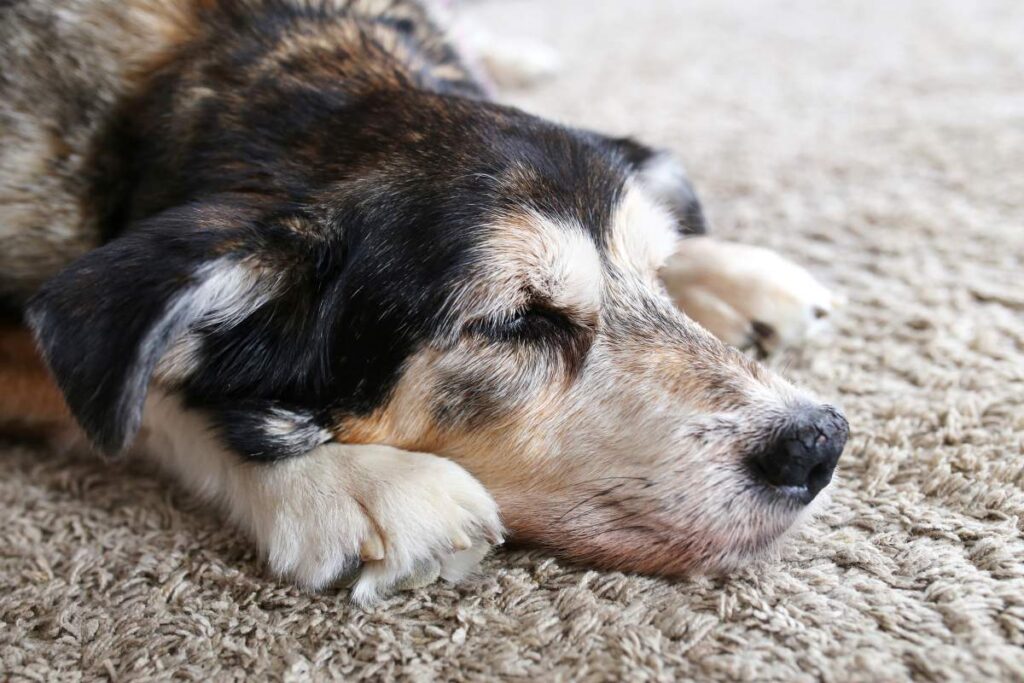
Dogs need regular movement, but the right amount varies widely. A young herding dog, an older mixed-breed dog, and a flat-faced companion may all have very different exercise limits. The goal is not to reach a fixed number of minutes; it is to provide activity that matches the dog’s age, physical condition, breed tendencies, temperament, and health.
For households in Covington, GA, exercise plans also need to account for warm, humid summers, occasional heavy rain, paved walking surfaces, and seasonal changes in daylight.
How much daily exercise does a dog need?
Most healthy adult dogs benefit from at least 30 to 60 minutes of purposeful activity each day, although many energetic dogs need more. That activity can include walking, playing, training, exploring, swimming where safe, or another form of movement the dog enjoys.
A useful starting point is:
- Lower-energy adult dogs: About 20 to 40 minutes of activity daily, often divided into shorter walks.
- Moderate-energy dogs: About 45 to 60 minutes daily, including walking and interactive play.
- High-energy or working-breed dogs: Often 60 to 120 minutes, plus mental challenges and opportunities to use natural skills.
- Toy breeds: May need less distance but still benefit from several short periods of movement and play.
- Senior dogs: Usually need consistent, gentle activity rather than complete rest.
These ranges are guidelines, not prescriptions. A dog that is panting heavily, reluctant to continue, limping, or unusually tired afterward is being asked to do too much. A dog that remains restless, destructive, or constantly seeks stimulation may need more activity or more mental enrichment.
Does breed determine exercise needs?
Breed offers clues, but it does not tell the whole story. Dogs developed for herding, retrieving, hunting, or endurance often need more daily activity than dogs bred primarily for companionship. However, individual personality can matter just as much.
A calm, older retriever may need less exercise than a young dog of a lower-energy breed. A small dog may be extremely athletic, while a larger dog with joint disease may need carefully controlled walks.
Exercise should be adjusted for:
- Body condition and weight
- Age and skeletal development
- Joint, heart, lung, or neurologic problems
- Previous conditioning
- Anxiety, fear, or reactivity
- Breed-related breathing limitations
- The dog’s behavior before and after activity
A veterinarian can help identify whether low stamina reflects normal aging, poor conditioning, excess weight, pain, or an underlying illness.
How should puppies exercise?
Puppies need frequent, brief activity rather than long, strenuous workouts. Their bones, joints, muscles, and coordination are still developing. Several five- to fifteen-minute play or training periods may be more appropriate than one long walk.
Good puppy activities include:
- Gentle play on secure, non-slip surfaces
- Short walks focused on calm exploration
- Basic training with frequent breaks
- Food puzzles and supervised sniffing games
- Controlled interaction with healthy, compatible dogs
Avoid forcing a puppy to run long distances, repeatedly jump from heights, or keep going when tired. Large and giant-breed puppies may require especially cautious exercise plans because their skeletons mature more slowly.
What about senior dogs?
Older dogs still need movement. Regular, moderate activity helps maintain muscle, mobility, balance, and healthy body weight. It may also support a predictable daily routine and reduce boredom.
Senior exercise often works best as multiple short walks instead of one demanding outing. Flat routes, softer surfaces, and slow warm-ups can be easier on aging joints. Sniffing and gentle exploration are valuable even when a dog can no longer walk quickly.
Watch for signs that exercise is causing discomfort:
- Stiffness that lasts into the next day
- Difficulty rising or lying down
- Limping or shortened steps
- Reluctance to use stairs
- Excessive panting compared with previous walks
- Sudden changes in willingness to play
A decline in activity should not automatically be dismissed as “just getting older.” Pain, arthritis, heart disease, and other conditions can appear as reduced endurance.
Is a walk enough?
A walk can provide physical activity, mental stimulation, social exposure, and time to investigate scents. For many dogs, a relaxed walk with opportunities to sniff is more enriching than a fast march around the block.
Still, some dogs need additional outlets. Consider rotating activities such as:
- Fetch on an appropriate surface
- Tug with clear start-and-stop rules
- Obedience or trick training
- Hide-and-seek with people or toys
- Scent games using treats or familiar objects
- Food puzzles and supervised problem-solving
- Gentle obstacle courses using safe household items
Mental work can tire a dog without placing as much stress on joints. It should complement physical activity rather than replace all movement.
How should exercise change during warm weather?
Warm weather deserves special attention in Covington. Summer afternoons can be hot, and humidity makes it harder for dogs to cool themselves through panting. Schedule outdoor activity during the cooler morning or evening hours when possible, and shorten the session if the air feels heavy or the dog is struggling.
Keep fresh water available and choose shaded routes. Test pavement with the back of a hand for several seconds; if it is too hot to hold comfortably, it can burn a dog’s paw pads. Grass or shaded paths may be safer than dark pavement, but they still require attention to heat and humidity.
Dogs at increased risk of overheating include:
- Flat-faced breeds
- Overweight dogs
- Very young or elderly dogs
- Dogs with heart or lung disease
- Dogs with heavy coats
- Dogs that are not acclimated to warm weather
Excessive panting, drooling, weakness, stumbling, vomiting, diarrhea, confusion, or collapse are emergency warning signs. Stop activity immediately, move the dog to a cooler area, and seek urgent veterinary care, especially if weakness or collapse occurs.
Can dogs exercise in rain or indoors?
Rain does not automatically make exercise unsafe, but slippery surfaces, lightning, flooding, standing water, and poor visibility can create hazards. After wet-weather walks, check the paws for irritation, cuts, debris, or persistent dampness between the toes.
On very hot, stormy, or unusually wet days, indoor enrichment can help. Short training sessions, gentle tug, scent searches, and supervised movement through a safe room can provide useful activity. Avoid games that encourage dogs to collide with furniture or repeatedly leap on and off hard surfaces.
How can owners tell if the routine is working?
A suitable routine generally leaves a dog pleasantly tired, not exhausted. The dog should recover normal breathing within a reasonable period, move comfortably later that day and the next morning, and remain interested in normal meals and activities.
Track changes over time rather than judging one outing. Increase duration gradually, especially after inactivity or illness. A sudden jump from short walks to long runs is more likely to cause muscle soreness, paw injuries, or joint strain.
The best exercise plan is consistent, flexible, and responsive. For one dog, that may mean two relaxed walks and a few training games. For another, it may mean a longer outing, structured play, and scent-based work. The right amount is the level that supports a healthy body and a settled mind without creating pain, overheating, or exhaustion.